If you lift to build muscle, protein is the nutrient that turns your hard sets into new tissue. But the advice you hear in the gym ranges from "just eat normally" to "at least a gram per pound, always." Here is what the research actually supports, and how to turn it into real meals.
The short answer: about 1.6 g per kg
The International Society of Sports Nutrition (ISSN) recommends 1.4–2.0 g of protein per kilogram of body weight per day for most people who exercise, both to build muscle and to keep it.[1] That is roughly double the Recommended Dietary Allowance (RDA) of 0.8 g/kg, which the ISSN considers too low for people in hard training.[1]
Some of the best evidence comes from a 2018 meta-analysis of 49 randomized trials with 1,863 participants. Adding protein to a resistance-training program increased gains in strength and fat-free mass, but the extra benefit leveled off at a total intake of about 1.62 g/kg per day.[2] Because the confidence interval around that estimate reached 2.2 g/kg, the authors suggested that people who want to maximize muscle gain could aim for about 2.2 g/kg.[2]
In practice, 1.6 g/kg covers most people, and anything up to 2.2 g/kg is fine if it suits your appetite and budget.
| Body weight | Daily target (1.6 g/kg) | Upper target (2.2 g/kg) | Per meal, four meals (0.4 g/kg) |
|---|---|---|---|
| 50 kg | 80 g | 110 g | 20 g |
| 60 kg | 96 g | 132 g | 24 g |
| 70 kg | 112 g | 154 g | 28 g |
| 80 kg | 128 g | 176 g | 32 g |
| 90 kg | 144 g | 198 g | 36 g |
| 100 kg | 160 g | 220 g | 40 g |
When to aim higher
Protein needs rise when you eat less than you burn. The ISSN notes that resistance-trained people may need 2.3–3.1 g/kg to hold on to as much lean mass as possible during a calorie deficit.[1] If you are cutting, push your intake toward the upper end of the table. Our guide on how to set your macros shows how protein fits into a fat-loss plan.
If you carry a lot of body fat
Protein needs follow your muscle, not your fat. If you have a lot of fat to lose, multiplying your total weight by 1.6 overshoots what you need. A simple workaround is to calculate your target from your goal weight instead.
How to split protein across your meals
Your daily total matters most, but how you divide it also counts. Each protein-rich meal gives muscle protein synthesis a boost, and the ISSN recommends doses of about 0.25 g/kg (or 20–40 g) of high-quality protein, spread evenly every 3–4 hours.[1]
A 2018 review by Schoenfeld and Aragon went a step further: to maximize muscle building, aim for about 0.4 g/kg per meal across at least four meals, which adds up to at least 1.6 g/kg a day. At an intake of 2.2 g/kg a day over four meals, that works out to about 0.55 g/kg per meal.[3]
For an 80 kg lifter, a day that reaches about 135 g could look like this:
- Breakfast: 3 eggs and 200 g of Greek yogurt (about 39 g)
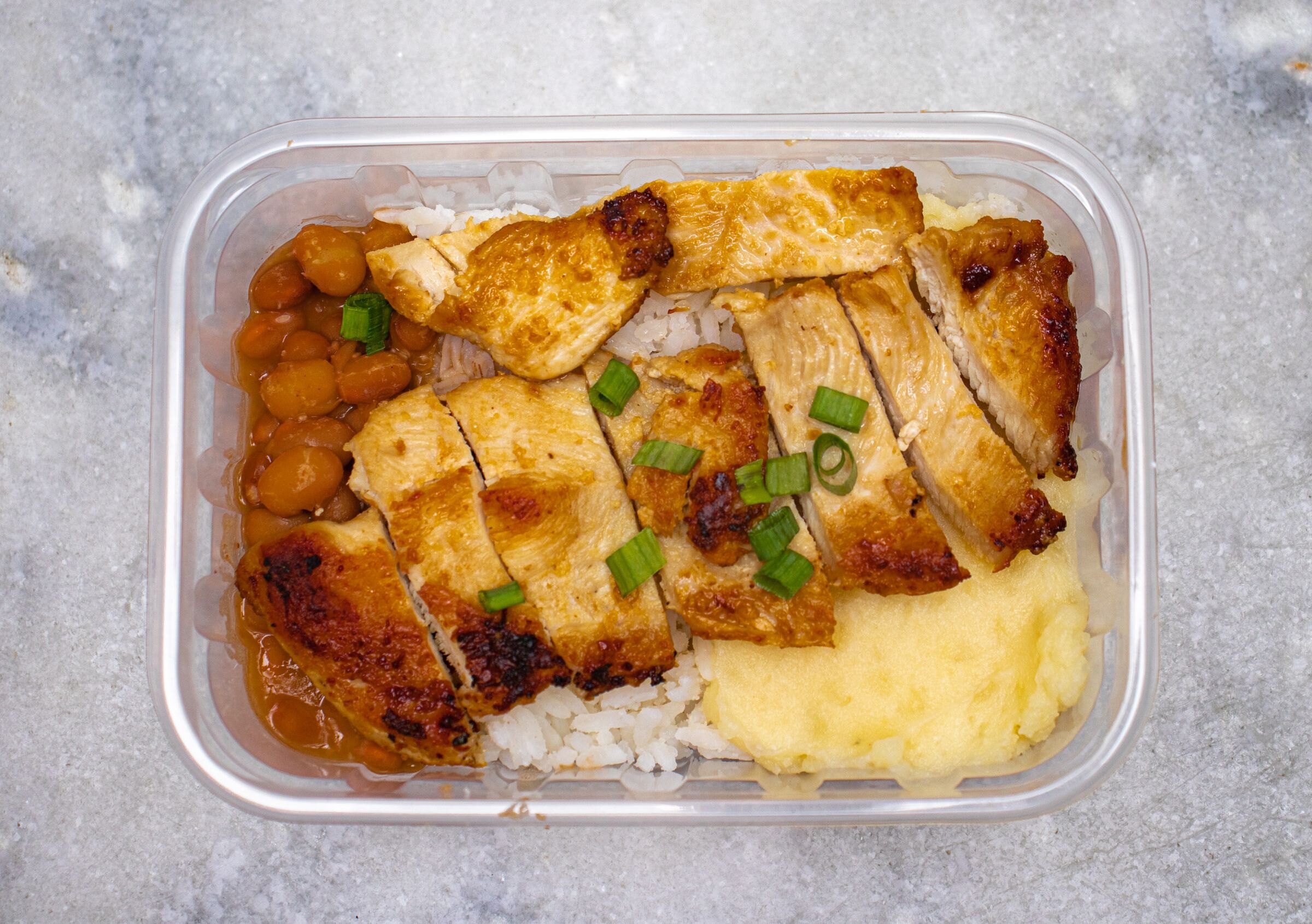
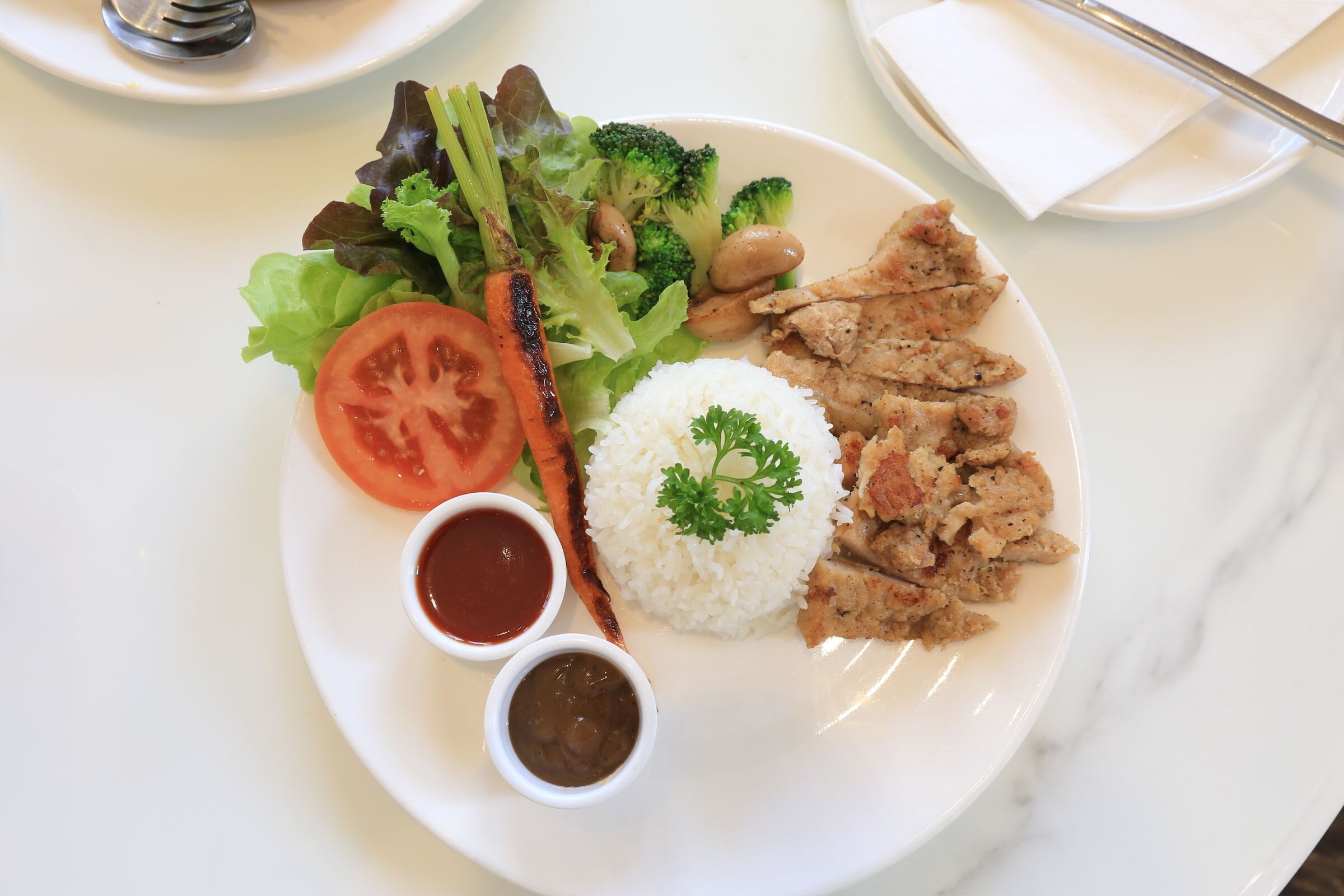
- Lunch: 120 g of chicken breast with rice and salad (about 37 g from the chicken)
- Afternoon: a sandwich with 100 g of canned tuna (about 26 g, plus a little from the bread)
- Dinner: 150 g of salmon or lean beef with potatoes and vegetables (about 33–39 g from the fish or meat)
Is there a limit per meal?
You may have heard that the body can only use 20–25 g of protein at a time. That figure comes from studies of fast-digesting protein taken on its own. Larger doses do increase the amount of protein burned for energy, but not all of the extra is wasted, and protein eaten as part of a mixed meal is absorbed more slowly.[3] A 50 g protein dinner is not wasted, but four moderate meals still beat one huge one.
Before or after training?
Both work. According to the ISSN, benefits come from protein eaten before or after a workout, and the muscle-building effect of a session lasts at least 24 hours.[1] A protein-rich meal within a few hours on either side of training is enough; see what to eat before and after a workout for the details. A 30–40 g serving of casein protein before bed can also increase muscle protein synthesis overnight.[1] Milk, cottage cheese and Greek yogurt are all rich in casein.
The best protein foods
Meat, fish, eggs, dairy and soy provide all the essential amino acids, including leucine, which the ISSN highlights as important for switching on muscle protein synthesis. The ISSN recommends building your intake around whole foods that contain all the essential amino acids, with supplements as a practical backup.[1]
| Food (cooked where relevant) | Serving | Protein |
|---|---|---|
| Chicken breast | 100 g | 31 g |
| Lean ground beef (90% lean) | 100 g | 26 g |
| Canned light tuna in water, drained | 100 g | 26 g |
| Salmon, farmed | 100 g | 22 g |
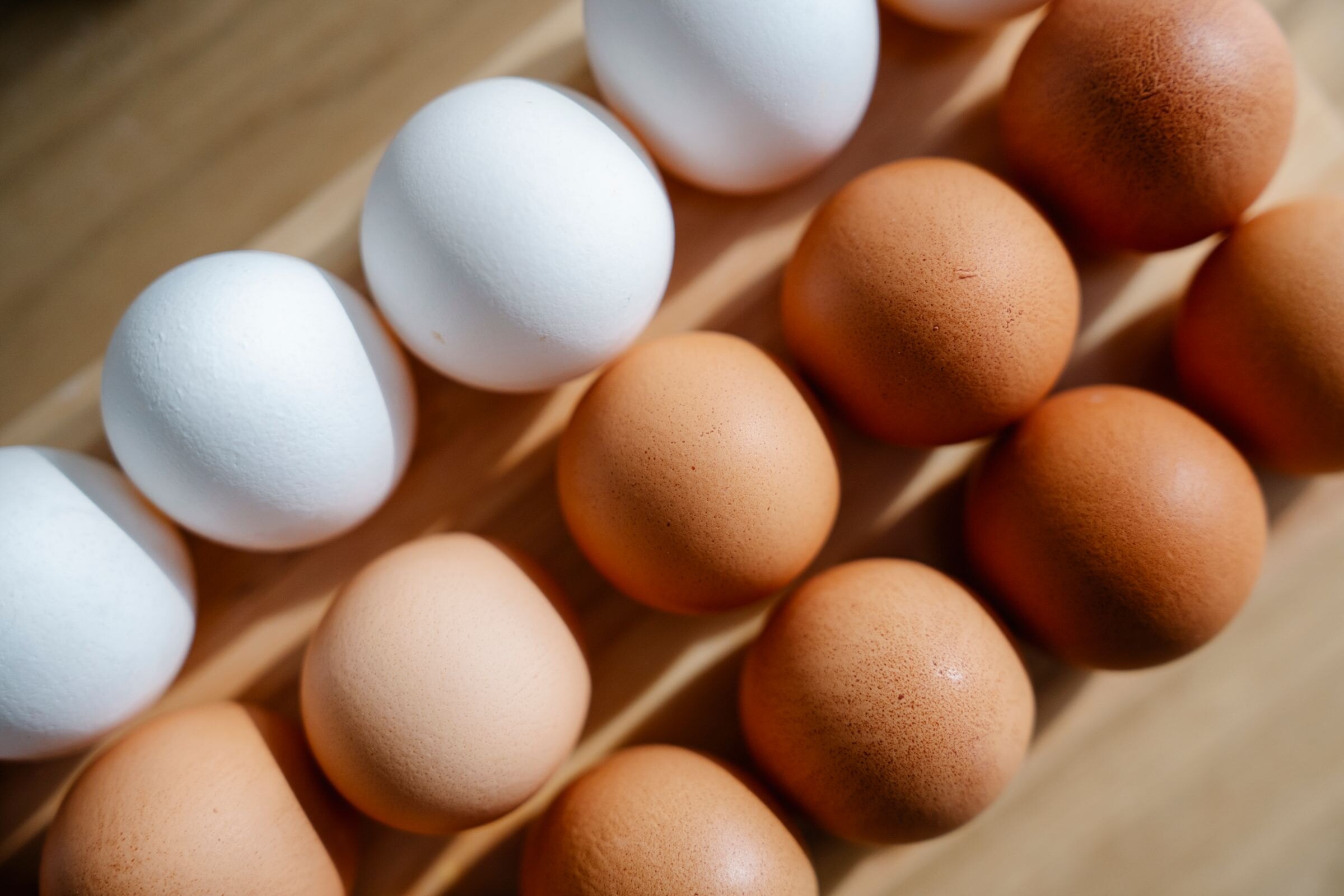
| Eggs | 2 large (100 g) | 13 g |
| Greek yogurt, plain, low-fat | 200 g | 20 g |
| Cottage cheese, 2% fat | 200 g | 21 g |
| Milk, 2% fat | 250 ml | 8 g |
| Lentils | 200 g | 18 g |
| Chickpeas | 200 g | 18 g |
| Firm tofu | 100 g | 9–17 g |
| Whey protein powder | 30 g scoop | about 23 g |
Values are rounded from USDA FoodData Central.[4] Products vary, especially tofu and protein powders, so check the label.
If most of your protein comes from plants, mix sources such as legumes, soy and grains across the day so you cover all the essential amino acids.
Older adults need more per meal
Aging blunts the muscle-building response to protein. The PROT-AGE study group recommends that people over 65 eat at least 1.0–1.2 g/kg per day, and at least 1.2 g/kg if they exercise or are otherwise active. Older adults with acute or chronic illness often need 1.2–1.5 g/kg.[5]
The dose per meal matters too. In one analysis, muscle protein synthesis in older men (average age about 71) plateaued at about 0.40 g/kg per meal, compared with about 0.24 g/kg in men around 22.[6] The large protein meta-analysis above also found that extra protein helped less as age increased.[2]
For a 70 kg adult over 65, that means about 28 g of protein at each meal, three or four times a day, combined with regular resistance training. Protein alone will not rebuild muscle.
Is a high-protein diet safe?
For healthy people, the evidence is reassuring. The ISSN concludes that concerns about protein intakes in the recommended range are unfounded for healthy people who exercise. Controlled studies lasting up to a year, at 2.5–3.3 g/kg per day, found no harmful effects on blood lipids or on markers of kidney and liver function.[1] A 2018 meta-analysis of 28 trials with 1,358 participants also found that higher-protein diets did not harm kidney function in adults without kidney disease.[7]
The exception is kidney disease. People with kidney failure benefit from protein-restricted diets,[1] and the PROT-AGE group advises that older adults with severe kidney disease who are not on dialysis may need to limit protein.[5]
Protein only works if you train
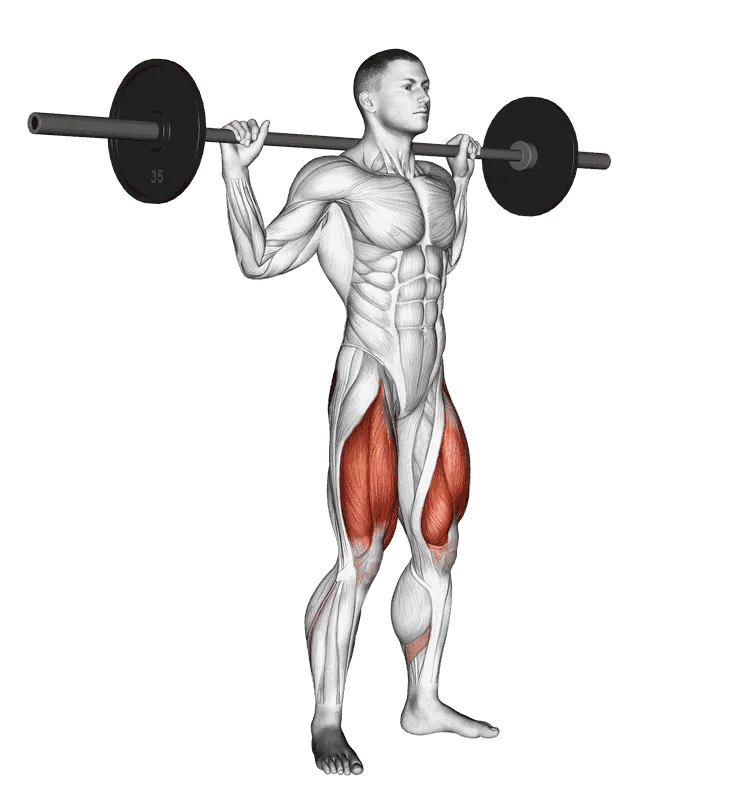
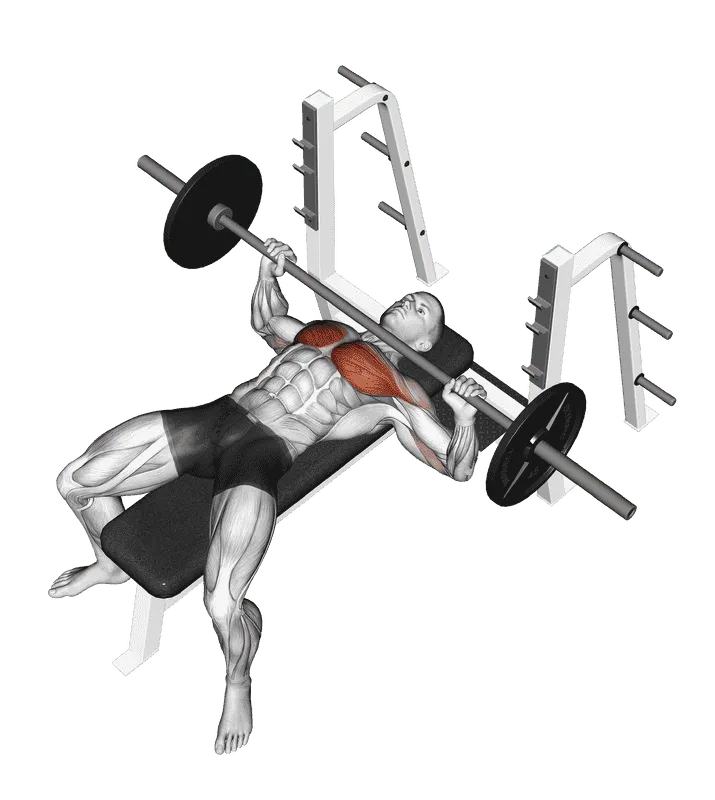
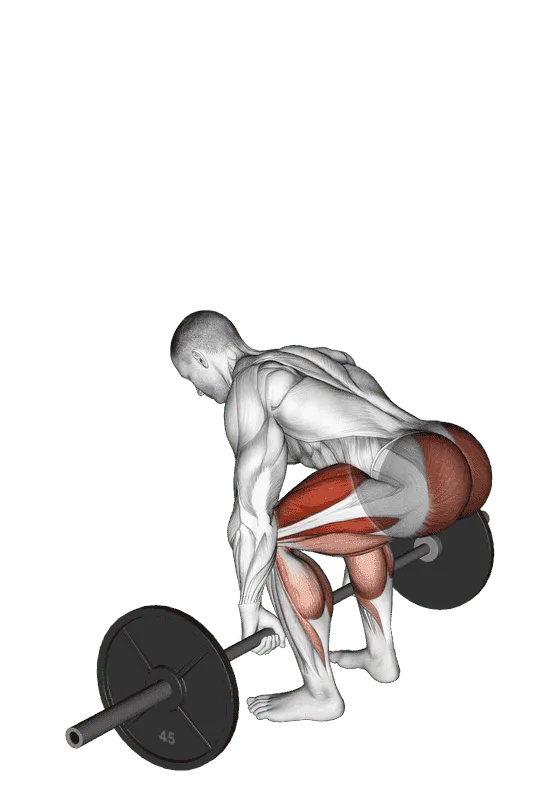
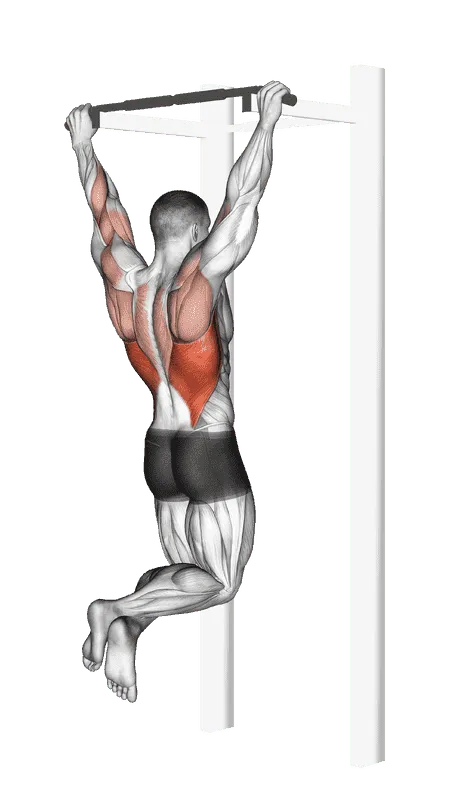
Protein supplies the building material, but training is the signal that tells your body to build. Base your program on compound lifts such as the barbell squat, bench press, deadlift and pull-up, and add weight or reps over time.
Frequently asked questions
Frequently asked questions
Do I need protein shakes to build muscle?
No. Whole foods can cover your needs. Shakes are useful when you are busy or traveling, or when you struggle to reach your target with meals, because they add a lot of protein for relatively few calories.
Should I use my total body weight or my lean mass?
For most people, total body weight works fine. If you carry a lot of body fat, base your target on your goal weight so you don't overshoot.
Is plant protein as good as animal protein for muscle?
It can be. In the 2018 meta-analysis, the type of protein supplement played at most a minor role compared with total daily intake. Eat enough in total and mix different plant sources across the day.
How much protein do I need if I weigh 70 kg?
About 112 g a day (1.6 g/kg), or up to about 154 g (2.2 g/kg). Split across four meals, that is roughly 28 g per meal.
Sources
- Jäger R, Kerksick CM, Campbell BI, et al. International Society of Sports Nutrition Position Stand: protein and exercise. Journal of the International Society of Sports Nutrition. 2017. doi.org/10.1186/s12970-017-0177-8 ↩
- Morton RW, Murphy KT, McKellar SR, et al. A systematic review, meta-analysis and meta-regression of the effect of protein supplementation on resistance training-induced gains in muscle mass and strength in healthy adults. British Journal of Sports Medicine. 2018. doi.org/10.1136/bjsports-2017-097608 ↩
- Schoenfeld BJ, Aragon AA. How much protein can the body use in a single meal for muscle-building? Implications for daily protein distribution. Journal of the International Society of Sports Nutrition. 2018. doi.org/10.1186/s12970-018-0215-1 ↩
- U.S. Department of Agriculture, Agricultural Research Service. FoodData Central, SR Legacy. 2018. fdc.nal.usda.gov/ ↩
- Bauer J, Biolo G, Cederholm T, et al. Evidence-based recommendations for optimal dietary protein intake in older people: a position paper from the PROT-AGE Study Group. Journal of the American Medical Directors Association. 2013. doi.org/10.1016/j.jamda.2013.05.021 ↩
- Moore DR, Churchward-Venne TA, Witard O, et al. Protein ingestion to stimulate myofibrillar protein synthesis requires greater relative protein intakes in healthy older versus younger men. The Journals of Gerontology, Series A. 2015. doi.org/10.1093/gerona/glu103 ↩
- Devries MC, Sithamparapillai A, Brimble KS, et al. Changes in kidney function do not differ between healthy adults consuming higher- compared with lower- or normal-protein diets: a systematic review and meta-analysis. The Journal of Nutrition. 2018. doi.org/10.1093/jn/nxy197 ↩