If you spend hours in the weight room each week, track your macros with precision, and push your sets to the brink of technical failure, you might assume you have covered every requirement for building an aesthetic, powerful physique. Yet thousands of dedicated lifters hit insurmountable plateaus, struggle with chronic joint inflammation, or lose hard-earned lean mass because they neglect the single most powerful anabolic tool in human physiology: restorative sleep.
The biological reality of hypertrophy is straightforward: you do not build muscle inside the gym. Resistance training creates mechanical tension, micro-trauma, and metabolic stress that temporarily break down muscle tissue. True muscular adaptation and structural remodeling take place exclusively during your recovery periods, with the vast majority of cellular repair occurring while you sleep. If you are sleeping fewer than seven hours per night, you are actively suppressing muscle protein synthesis, elevating catabolic stress hormones, blunting neuromuscular power, and undermining your body composition. Understanding the physiological relationship between sleep and muscle growth is what separates lifters who make steady, year-round gains from those who spin their wheels in chronic fatigue. Here is the exhaustive, evidence-based masterclass on how sleep builds muscle, what happens when you are sleep-deprived, and how to build an unbreakable bedtime protocol.
The Endocrine Symphony: Hormonal Regulation During Deep Sleep
To understand why sleep is indispensable for muscular development, you must examine the endocrine system. Hormones act as chemical messengers that dictate whether your body remains in an anabolic (tissue-building) or catabolic (tissue-wasting) state. During waking hours, your body operates in a predominantly catabolic state characterized by energy expenditure, physical stress, and substrate oxidation. Deep sleep shifts your physiological state into deep anabolism, orchestrated by four critical hormonal axes:
1. Human Growth Hormone (HGH)
Human growth hormone is a peptide hormone synthesized and secreted by the anterior pituitary gland. While HGH is not a primary driver of contractile myofibrillar protein synthesis on its own, it plays a vital role in cellular repair, collagen synthesis for tendons and ligaments, lipolysis (fat breakdown), and immune regulation.
Between 60% and 70% of your total daily growth hormone secretion occurs during slow-wave sleep (Stage 3 non-rapid eye movement, or NREM sleep). Shortly after sleep onset, the pituitary gland releases a massive surge of HGH into circulation. When you experience fragmented sleep, stay up late, or cut your sleep short, you blunt or delay this nocturnal pulse, significantly compromising connective tissue recovery and systemic cellular repair.
2. Testosterone
Testosterone is the primary anabolic steroid hormone in both men and women responsible for increasing myofibrillar protein synthesis, satellite cell recruitment, and neural drive. The majority of daily testosterone release occurs during sleep, requiring both adequate duration and uninterrupted sleep cycles.
When lifters endure chronic sleep deprivation, the endocrine consequences are immediate and severe. Clinical sleep laboratory research shows that restricting healthy young men to 5 hours of sleep per night for only seven consecutive days decreases daytime circulating testosterone levels by 10% to 15%. This magnitude of endocrine suppression is equivalent to aging 10 to 15 years within a single week. Lower circulating testosterone impairs your ability to recover from high-volume lifting, blunts strength progression, and diminishes workout motivation.
3. Cortisol
Cortisol is a glucocorticoid hormone released by the adrenal cortex in response to stress and low blood glucose. While acute cortisol spikes during heavy lifting are normal and help mobilize fuel substrates, chronically elevated cortisol is disastrous for lifters. Cortisol directly stimulates the ubiquitin-proteasome pathway, accelerating muscle protein breakdown (MPB), inhibiting amino acid uptake into muscle cells, and antagonizing the anabolic signaling cascades driven by insulin.
Under normal circadian conditions, cortisol levels reach their lowest trough around midnight, gradually rising in the early morning to promote alertness upon waking. Sleep deprivation disrupts this circadian rhythm, causing cortisol levels to remain elevated during the evening and night. This chronic hormonal elevation creates a sustained catabolic environment that prevents complete recovery and encourages visceral fat accumulation.
4. Insulin Sensitivity and Nutrient Partitioning
Sleep restriction fundamentally alters glucose metabolism and peripheral insulin sensitivity. After just a few nights of insufficient sleep, skeletal muscle cells exhibit reduced glucose transporter type 4 (GLUT4) translocation in response to insulin.
When your muscles become acutely insulin resistant due to sleep deprivation, the carbohydrates and amino acids you consume are less efficiently partitioned into muscle tissue for glycogen resynthesis and recovery. Instead, a higher proportion of circulating nutrients is diverted to adipose tissue or remains elevated in the bloodstream, blunting workout recovery and leaving you feeling flat, fatigued, and depleted.

Muscle Protein Synthesis vs. Muscle Protein Breakdown: The Cellular Battleground
Muscular hypertrophy is determined by the mathematical balance between muscle protein synthesis (MPS) and muscle protein breakdown (MPB) over a 24-hour cycle. When the cumulative rate of MPS exceeds MPB, your muscles experience net protein accretion, resulting in thicker muscle fibers and greater cross-sectional area:
$$\text{Net Muscle Growth} = \text{Muscle Protein Synthesis (MPS)} - \text{Muscle Protein Breakdown (MPB)}$$
Intense lifting activates the mechanistic target of rapamycin complex 1 (mTORC1) pathway, the primary molecular engine of protein synthesis. However, resistance training also elevates muscle protein breakdown. Without adequate nutritional substrates and cellular recovery, net protein balance remains negative.
Sleep provides the ideal physiological environment for MPS to outpace MPB. While you sleep, metabolic demand drops, heart rate and blood pressure decrease, and blood flow is redirected from the brain and viscera toward skeletal muscle tissue, carrying essential amino acids and oxygen directly to micro-damaged fibers.
The Landmark Calorie Deficit Study: Sleep Inadequacy Destroys Muscle
The catastrophic impact of sleep restriction on muscle tissue was demonstrated in a landmark clinical trial conducted by Nedeltcheva and colleagues at the University of Chicago.[1] The researchers placed overweight adults on a controlled, identical caloric deficit for two distinct 14-day periods under strict laboratory conditions:
- Condition A (Adequate Sleep): Participants spent 8.5 hours in bed per night (averaging roughly 7 hours and 11 minutes of actual sleep).
- Condition B (Sleep Restriction): Participants spent 5.5 hours in bed per night (averaging roughly 5 hours and 14 minutes of actual sleep).
Both groups consumed the exact same caloric deficit and lost virtually identical amounts of total body weight (approximately 3.0 kg / 6.6 lb). However, the composition of the lost weight was drastically different between the two conditions:
- Lifters who slept 8.5 hours lost 50% of their weight from body fat and 50% from fat-free mass.
- When the same individuals were restricted to 5.5 hours of sleep, they lost 55% less body fat and 60% more lean muscle mass.[1]
In other words, simply cutting three hours of sleep shifted weight loss away from adipose tissue and directly toward catabolizing functional lean tissue. The sleep-deprived subjects also experienced significantly higher elevations in ghrelin (the primary hunger hormone) and systemic metabolic slowdown. If your goal is preserving muscle while losing fat, skimping on sleep is the quickest way to cannibalize your hard-earned muscle.
Sleep Architecture Demystified: Light, Deep, and REM Sleep
Sleep is not a uniform, unconscious state; it is an active, cyclical neurological sequence comprising several distinct stages that repeat every 90 to 120 minutes. Each complete sleep cycle consists of non-rapid eye movement (NREM) sleep—divided into Stages 1, 2, and 3—followed by rapid eye movement (REM) sleep. Understanding these stages illuminates why both sleep quality and total duration matter for athletic recovery.
| Sleep Stage | Proportion of Night | Key Physiological Mechanisms | Athletic & Hypertrophy Significance |
|---|---|---|---|
| Stage 1 NREM (Light Sleep) | 5% | Transition from wakefulness; brain waves slow from beta to alpha and theta; heart rate and breathing decelerate. | Initial physical relaxation; minimal direct muscular recovery. |
| Stage 2 NREM (Intermediate Sleep) | 45–55% | Appearance of sleep spindles and K-complexes; core body temperature drops; sensory input blocked. | Motor memory consolidation; neural encoding of complex lifting movement patterns and bar paths. |
| Stage 3 NREM (Slow-Wave Deep Sleep) | 15–25% | Delta brain wave dominance; lowest heart rate, blood pressure, and metabolic rate; peak muscle blood perfusion. | Peak physical recovery: 70% of daily HGH secretion; cellular repair; satellite cell activation; tissue rebuilding. |
| REM Sleep (Dreaming Sleep) | 20–25% | Rapid eye movements; high cerebral glucose metabolism; temporary skeletal muscle atonia (paralysis). | Neurological restoration: Central nervous system replenishment; cognitive processing; mood and motivation regulation. |
The Power of Slow-Wave Sleep (Stage 3 NREM)
Slow-wave sleep dominates the first third of the night. During this stage, your brain activity slows into synchronized high-voltage delta waves, and your sympathetic nervous system completely dials down. Blood vessels dilate, shunting oxygen-rich blood, amino acids, and glucose into muscle tissue. Cellular energy stores (adenosine triphosphate, or ATP) are replenished, and damaged contractile proteins are repaired. If you cut your sleep down to four or five hours, you severely compress your total time spent in slow-wave sleep, depriving your muscles of their primary rebuilding window.
The Neurological Role of REM Sleep
While Stage 3 NREM handles structural tissue repair, REM sleep dominates the latter half of the night and is vital for your central nervous system (CNS). During REM sleep, the brain synthesizes neurotransmitters like acetylcholine, dopamine, and serotonin, while pruning redundant neural connections and cementing new motor skills learned during the day. If you wake up prematurely after five hours, you disproportionately miss out on REM cycles, leading to brain fog, blunted reaction times, and diminished neural drive in the gym.
How Sleep Deprivation Degrades Training Performance in the Gym
The negative effects of poor sleep are not limited to passive recovery; they actively impair your physical performance when you step into the weight room:
1. Impaired Central Nervous System Drive
Maximum strength depends heavily on the central nervous system's ability to recruit high-threshold motor units and fire them at rapid frequencies (rate of force development). Chronic sleep deprivation impairs prefrontal cortex executive function and diminishes motor cortex excitability. You lose the neurological ability to recruit your largest Type IIx fast-twitch muscle fibers, which possess the greatest capacity for growth.
2. Heightened Rate of Perceived Exertion (RPE)
When sleep-deprived, the exact same barbell load feels significantly heavier. In exercise science, this is measured as the Rate of Perceived Exertion (RPE). A set of heavy squats that normally feels like an RPE 7 suddenly registers as an RPE 9.5. This psychological fatigue causes lifters to terminate sets early, accumulate fewer effective reps close to failure, and fail to satisfy the principle of progressive overload.
3. Depleted Glycogen Resynthesis
Sleep restriction reduces glycogen synthase activity in muscle tissue. Even if you consume ample carbohydrates following a grueling session, your muscle cells resynthesize glycogen at a substantially lower rate when you are sleep-deprived. Entering a heavy workout with partially depleted glycogen tanks limits total volume tolerance and leads to premature muscular fatigue.
4. Skyrocketing Musculoskeletal Injury Risk
Athletes who regularly sleep fewer than seven hours per night suffer musculoskeletal injuries at nearly double the rate of athletes who consistently achieve eight or more hours of sleep. Delayed neuromuscular reaction times, compromised core stabilization under spinal loads, and poor cognitive focus make technique breakdowns far more frequent under heavy loads.
Compound Movements Demand Heavy Sleep: The Structural Connection
The heavier and more demanding your resistance training program, the greater your biological need for restorative sleep. Multi-joint compound lifts stress not only prime mover muscles, but also your spinal erectors, connective tissues, and central nervous system.
When executing high-tension compound movements like the squat and deadlift, the systemic fatigue generated is vastly greater than that produced by isolation machines:
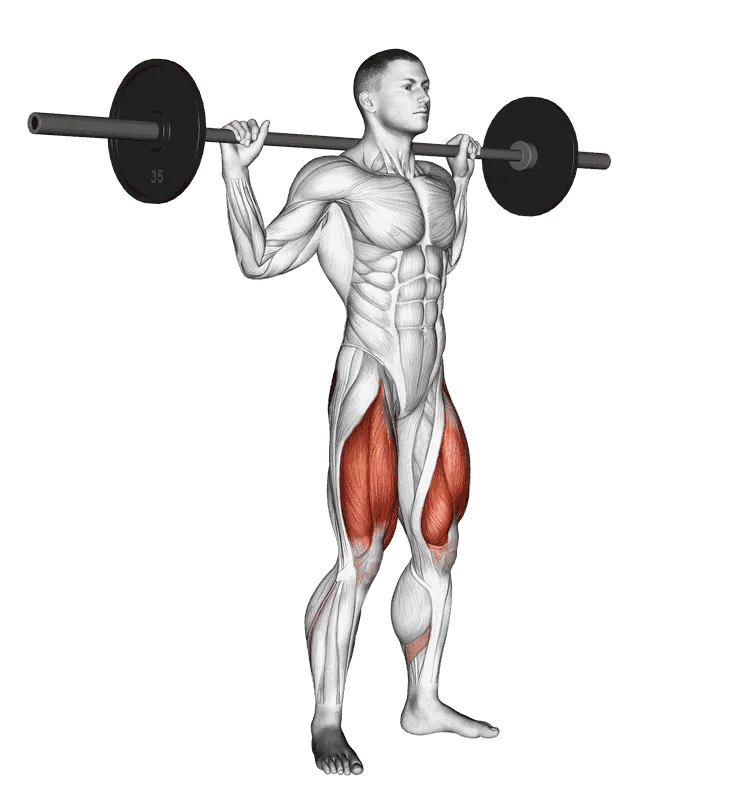

- Sets
- 3–4
- Reps
- 6–8
- Rest
- 150 s
- Tempo
- 3–1–1
The barbell full squat places immense mechanical load across the quadriceps, glutes, adductors, and core. Recovering from repeated working sets of squats requires profound cellular repair and glycogen restoration that only deep slow-wave sleep can deliver.
Similarly, heavy pulling movements place intense demands on the entire posterior chain and central nervous system:

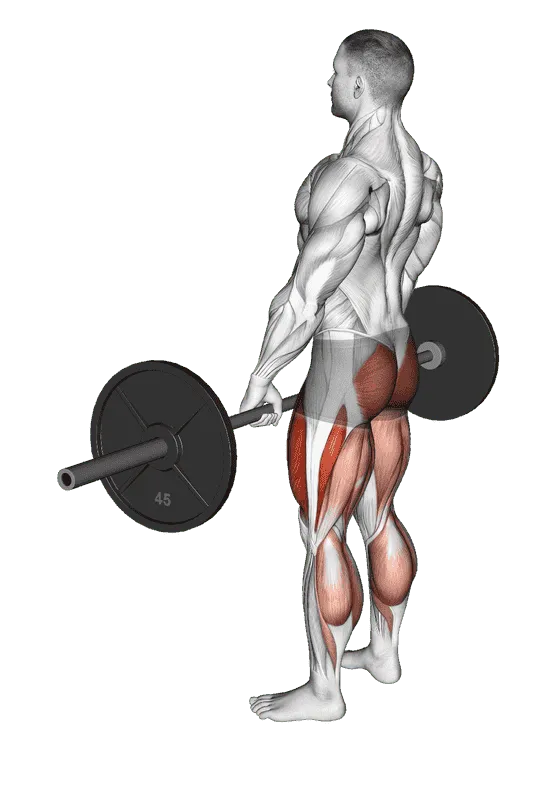
- Sets
- 3–4
- Reps
- 5–6
- Rest
- 180 s
- Tempo
- 2–1–1
The barbell deadlift challenges your grip, lats, spinal erectors, and hamstrings while generating systemic neural fatigue. Lifters who push their deadlifts hard without adequate sleep inevitably experience central burnout, joint aches, and plateaus.
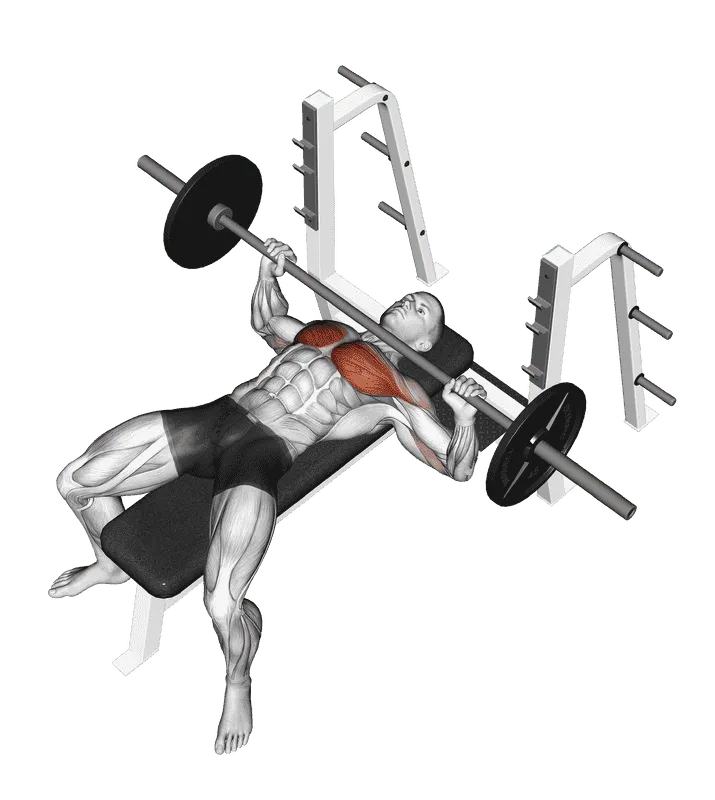
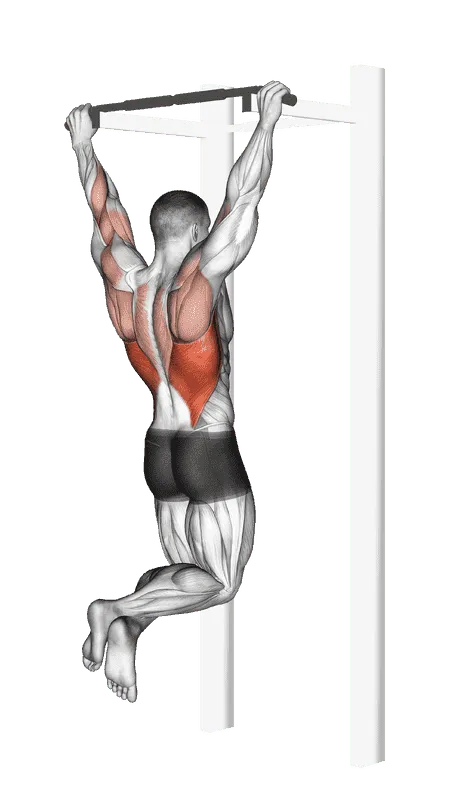
To complete a well-rounded upper-body development program, complement your squatting and deadlifting with foundational compound pressing and pulling, such as the barbell bench press and bodyweight pull-up.
Pair your training with a balanced, structured four-day hypertrophy routine designed to maximize muscular tension while allowing full recovery between training sessions:

The 7-Step Evidence-Based Sleep Optimization Protocol for Lifters
Achieving 7 to 9 hours of restorative sleep is not an accident; it is the predictable outcome of an intentional daily protocol. Treat your sleep routine with the exact same discipline you apply to your training and nutrition:
1. Anchor Your Circadian Clock with Morning Sunlight
Your sleep-wake cycle is governed by the suprachiasmatic nucleus (SCN) in the hypothalamus, which synchronizes internal biological clocks based on ambient light exposure. Step outside into natural sunlight for 10 to 20 minutes within 60 minutes of waking. This photon exposure stimulates morning cortisol, halts melatonin production, and sets an internal biochemical timer that initiates natural melatonin release approximately 14 to 16 hours later.
2. Enforce a Strict Caffeine Curfew
Caffeine is a potent adenosine receptor antagonist. Throughout the day, cellular energy metabolism breaks down ATP into adenosine, which accumulates in the brain and creates "sleep pressure." Caffeine binds to adenosine receptors without activating them, masking feelings of fatigue.
However, caffeine has an average half-life of 5 to 7 hours and a quarter-life of up to 12 hours. Drinking a high-caffeine pre-workout drink at 5:00 PM means a significant portion of caffeine remains active in your brain at midnight, dismantling slow-wave deep sleep even if you manage to fall asleep. Review our detailed analysis of caffeine and exercise performance to time your caffeine intake so that it boosts workout intensity without impairing your nightly sleep quality. Maintain a firm caffeine cutoff at least 8 to 10 hours before your planned bedtime.
3. Optimize Bedroom Temperature (18–20°C / 65–68°F)
To initiate sleep, your core body temperature must decrease by approximately 1°C (2–3°F). Sleeping in an overly warm room prevents this natural thermoregulatory drop, resulting in frequent micro-arousals and fragmented slow-wave sleep. Keep your bedroom cool, ideally between 18°C and 20°C (65–68°F). A warm shower or bath 60 minutes before bed also accelerates sleep onset by drawing blood to the skin's surface and facilitating rapid heat dissipation once you step out.
4. Create a Zero-Light Sleep Sanctuary
Light exposure after sundown, especially short-wavelength blue light from smartphones, computer screens, and television panels, suppresses pineal melatonin secretion by up to 80%. Dim household lighting two hours before bed, switch electronic devices to night-shift mode, and install blackout curtains in your bedroom. If light still enters your room, wear a contoured eye mask to block all visual photons.
5. Time Your Evening Nutrition Strategically
Going to bed ravenously hungry elevates nocturnal cortisol and leads to nighttime waking. Conversely, consuming a massive, high-fat meal 30 minutes before sleep forces your digestive tract to work intensely, raising your core temperature and resting heart rate.
Eat your final major dinner 2 to 3 hours before sleep. If you need a bedtime recovery snack, consume 30 to 40 grams of slow-digesting protein, such as micellar casein, cottage cheese, or Greek yogurt, alongside a small serving of complex carbohydrates. This provides a steady supply of circulating amino acids throughout the night to sustain muscle protein synthesis, as outlined in our guide on how much protein you need to build muscle and our recommendations for pre- and post-workout nutrition.
6. Maintain Circadian Regularity
The human body thrives on predictable circadian rhythms. Going to bed at 10:30 PM on weekdays and 2:00 AM on weekends creates "social jetlag," confusing the suprachiasmatic nucleus and degrading sleep efficiency. Strive to wake up and go to sleep within a narrow 30-minute window every single day, including weekends.
7. Down-Regulate Your Nervous System
Transitioning from the high-stress demands of work and intense gym sessions into parasympathetic rest requires an intentional wind-down bridge:
- Spend the final 45 minutes of the evening away from work emails and intense social media discussions.
- Engage in low-stimulation activities such as reading physical fiction books, practicing 5 minutes of box breathing (4-second inhale, 4-second hold, 4-second exhale, 4-second hold), or performing light static stretching.
Evidence-Based Supplements for Sleep Quality
While no supplement can replace consistent sleep hygiene, several evidence-based compounds can support nervous system relaxation and sleep onset:
- Magnesium Glycinate or Threonate (200–400 mg): Magnesium acts as a natural NMDA receptor blocker and enhances gamma-aminobutyric acid (GABA) neurotransmission, promoting muscle relaxation and calming central nervous system excitability.
- L-Glycine (3 g): An amino acid that acts as an inhibitory neurotransmitter in the brainstem and spinal cord. Clinical studies show glycine taken before bed lowers core body temperature and accelerates the transition into slow-wave deep sleep.
- Tart Cherry Juice Concentrate (30–60 ml): A natural dietary source of phytochemicals and exogenous melatonin that reduces systemic inflammation and improves sleep duration in athletes.
- L-Theanine (100–200 mg): An amino acid found naturally in tea leaves that promotes alpha brain wave activity, fostering calm relaxation without groggy sedation.
Frequently Asked Questions
Frequently asked questions
Exactly how many hours of sleep do lifters need each night to maximize muscle growth?
Most resistance-trained athletes require 7 to 9 hours of quality, uninterrupted sleep per night. When training with high volume and heavy loads, sleep needs often increase to 8 to 9.5 hours to allow adequate slow-wave and REM sleep for complete muscular and central nervous system recovery.
Can I catch up on lost sleep during the weekend?
While sleeping in on weekends can partially relieve accumulated sleepiness, it cannot fully reverse the hormonal, metabolic, and muscle protein synthesis deficits caused by five days of chronic sleep deprivation. Furthermore, shifting your sleep-wake schedule by several hours on weekends creates social jetlag, disrupting your circadian rhythm and making it harder to fall asleep on Sunday night.
Does working out late in the evening ruin sleep quality?
Intense resistance training elevates core body temperature, heart rate, and sympathetic nervous system activity for several hours. Finishing an intense workout within 90 minutes of bedtime often delays sleep onset and suppresses slow-wave sleep. If you must train late, ensure at least a two-hour buffer before sleep, take a cool shower, and focus on slow diaphragmatic breathing.
Are afternoon naps helpful for muscle recovery and performance?
Yes. A short 20 to 30-minute "power nap" between 1:00 PM and 3:00 PM can restore alertness, improve motor skill performance, and reduce daytime cortisol without disrupting nighttime sleep drive. If you are sleep-deprived, a 90-minute nap allows for a complete sleep cycle including slow-wave and REM sleep.
Sources
- Nedeltcheva AV, Kilkus JM, Imperial J, et al. Insufficient sleep undermines dietary efforts to reduce adiposity. Annals of Internal Medicine. 2010. doi.org/10.7326/0003-4819-153-7-201010050-00006 ↩