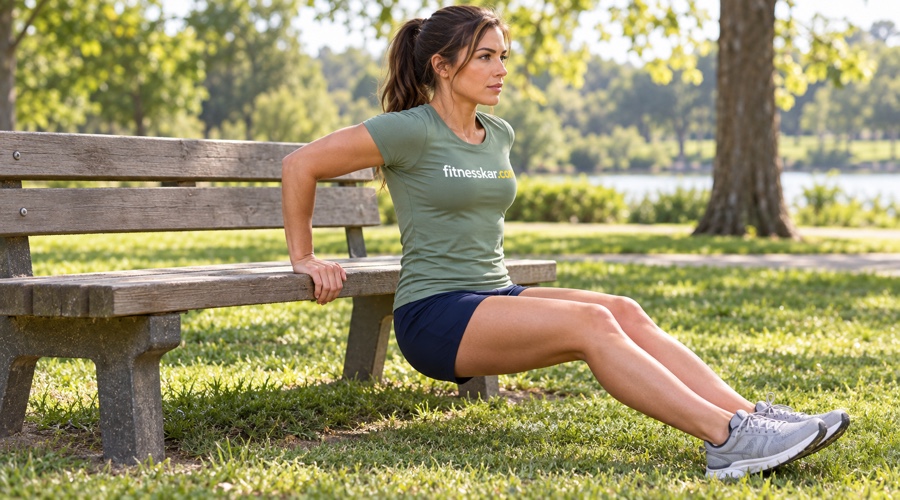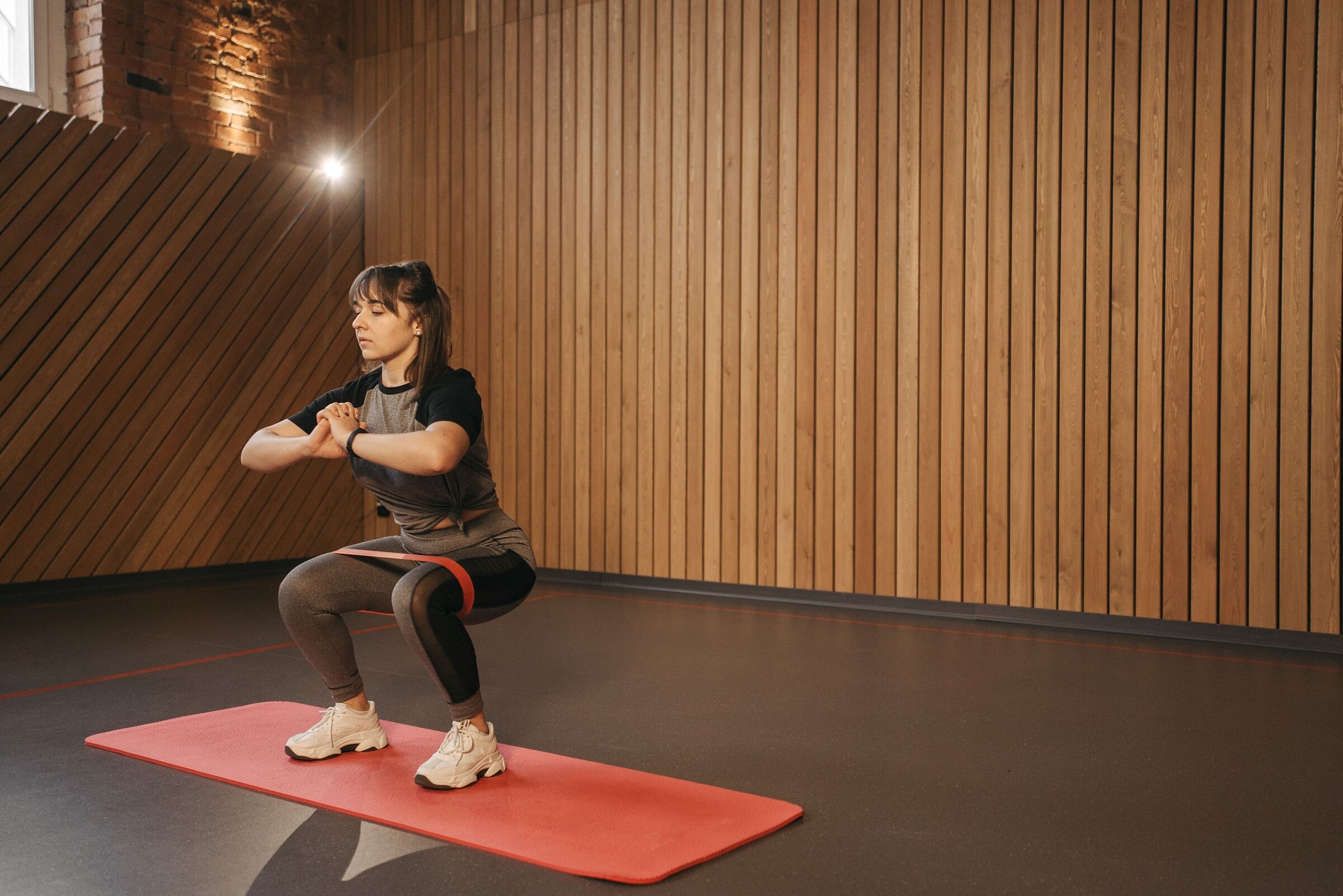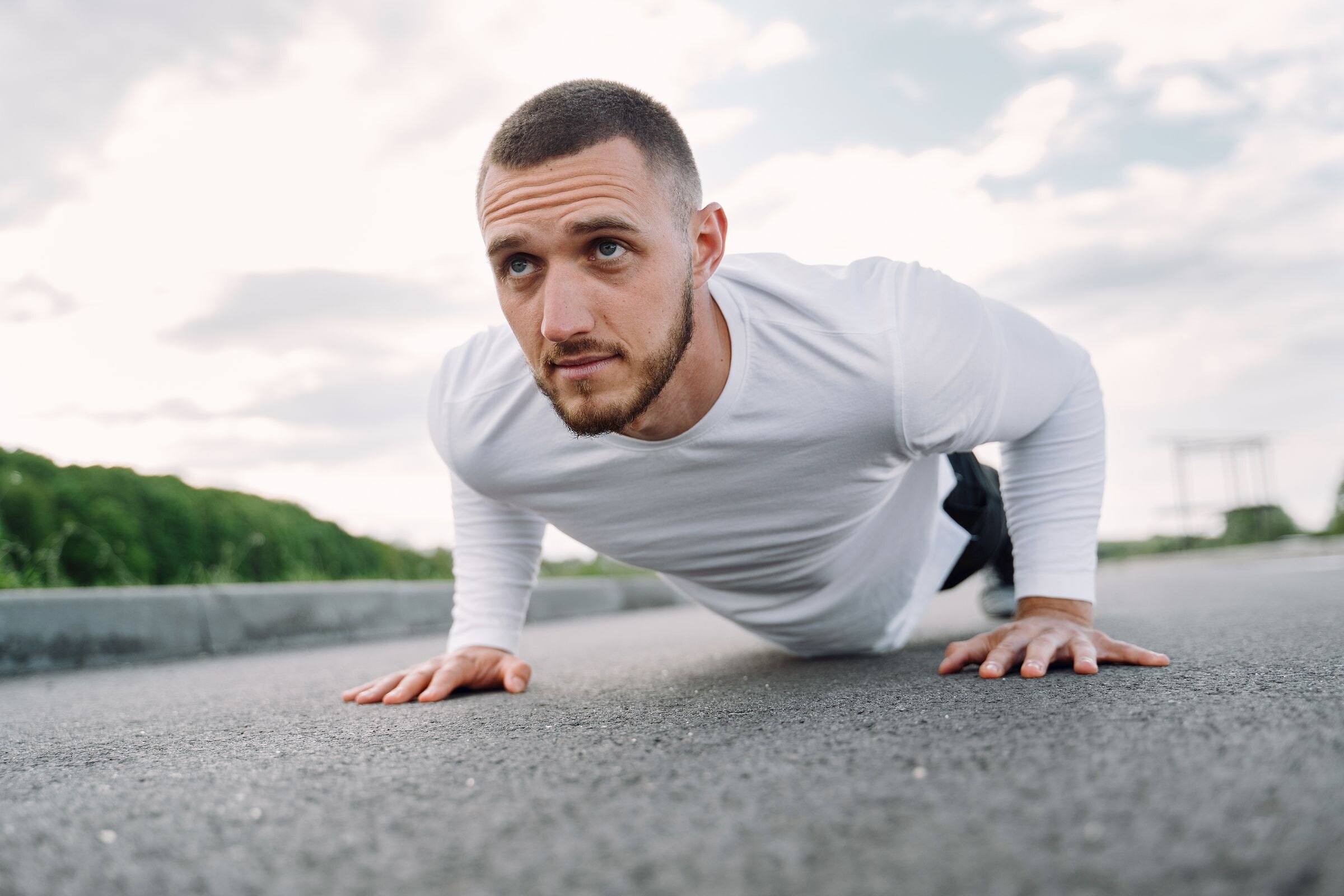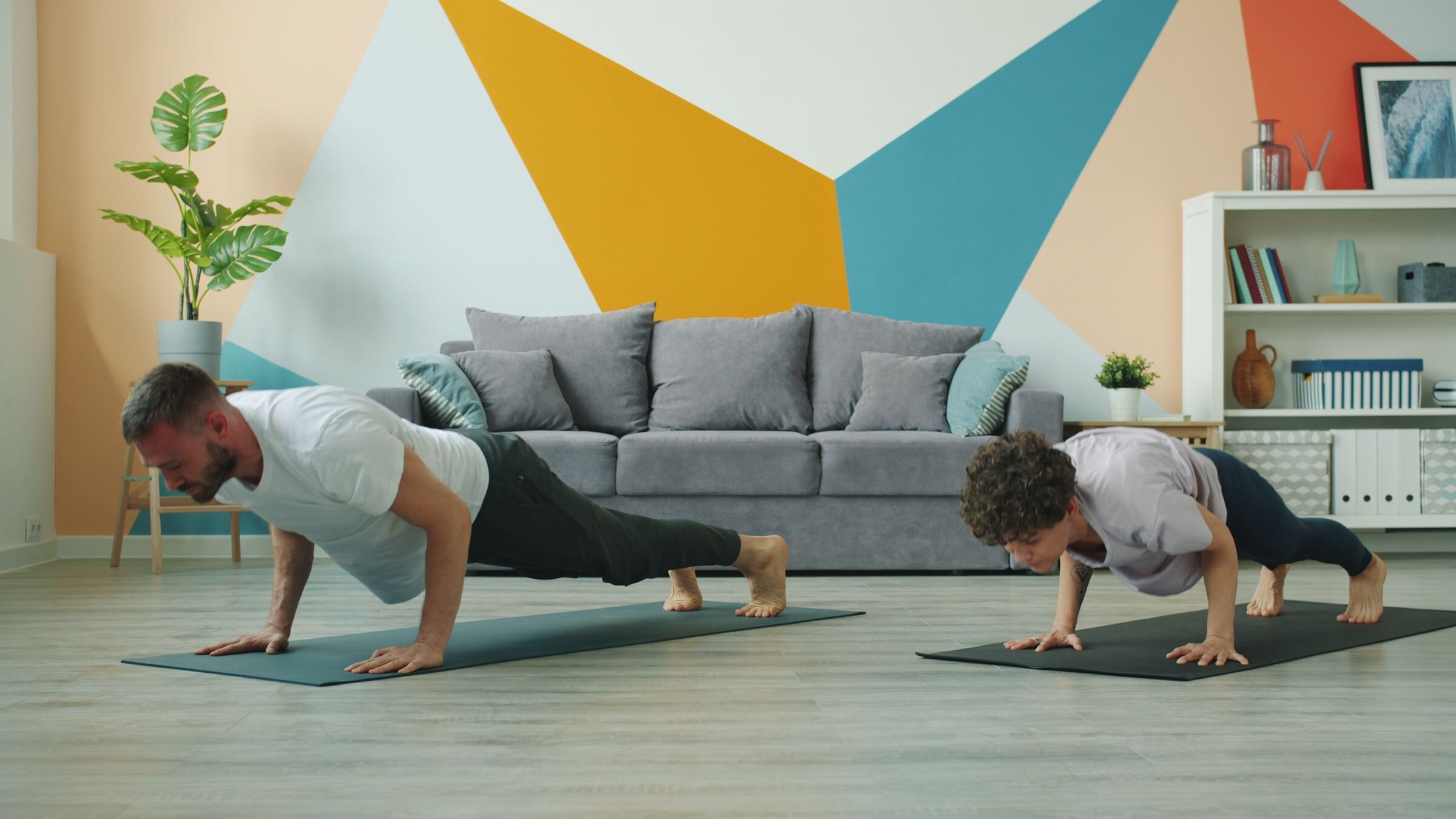
You do not need a gym, a bench or a single dumbbell to train your whole body. This workout uses your body weight, a towel and some floor space. It takes about 30 to 35 minutes and covers every major muscle group, which is exactly what the World Health Organization and the CDC ask adults to do on at least two days a week, alongside at least 150 minutes of moderate aerobic activity such as brisk walking.[1][2]
Below you will find a short warm-up, an eight-exercise circuit with sets, reps and rest, easier and harder versions of every move, and a simple way to keep progressing for months.
Before you start
Most people can start a moderate bodyweight routine safely. Screening guidance from the American College of Sports Medicine looks at three things: how active you already are, whether you have known heart, metabolic or kidney disease or symptoms that suggest it, and how hard you plan to exercise.[3]
During any workout, stop an exercise that causes sharp or joint pain. Muscle burn and heavy breathing are normal; pain is not.
The warm-up
Five minutes of easy movement raises your body temperature and rehearses the positions you are about to load. It is worth doing: in a meta-analysis of warm-up studies, warming up improved performance in 79% of the outcomes examined.[4]
5-minute warm-up
-
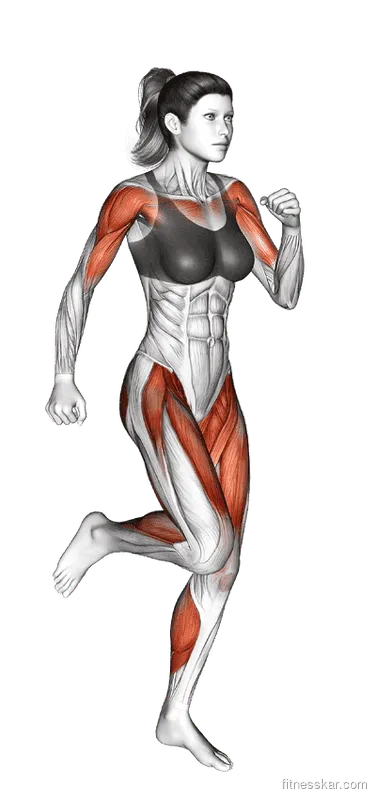
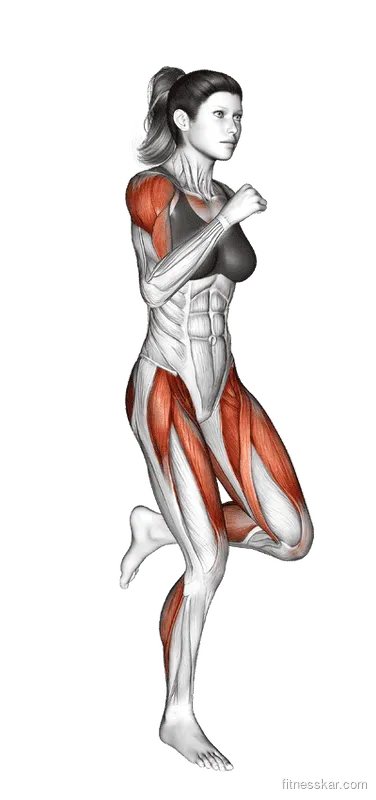
1 Jogging in Place - Duration
- 60 sec
-
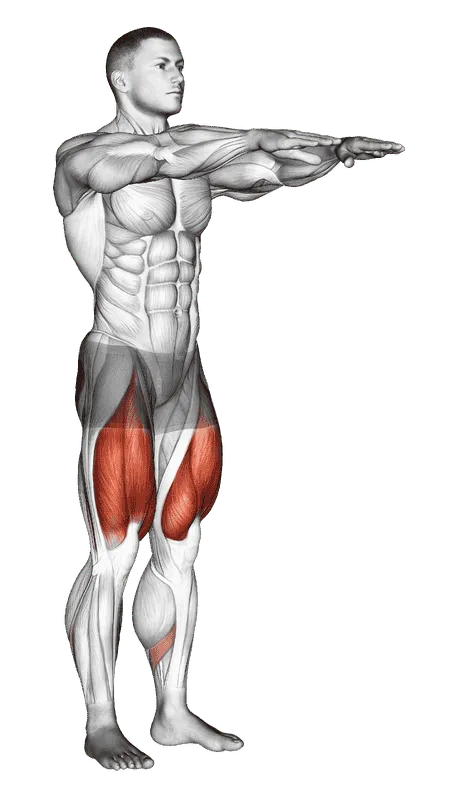
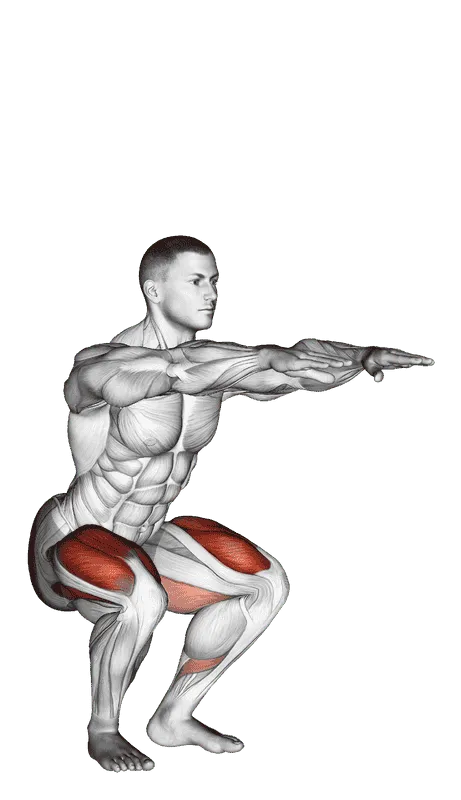
2 Bodyweight Squat - Sets
- 1
- Reps
- 10
-
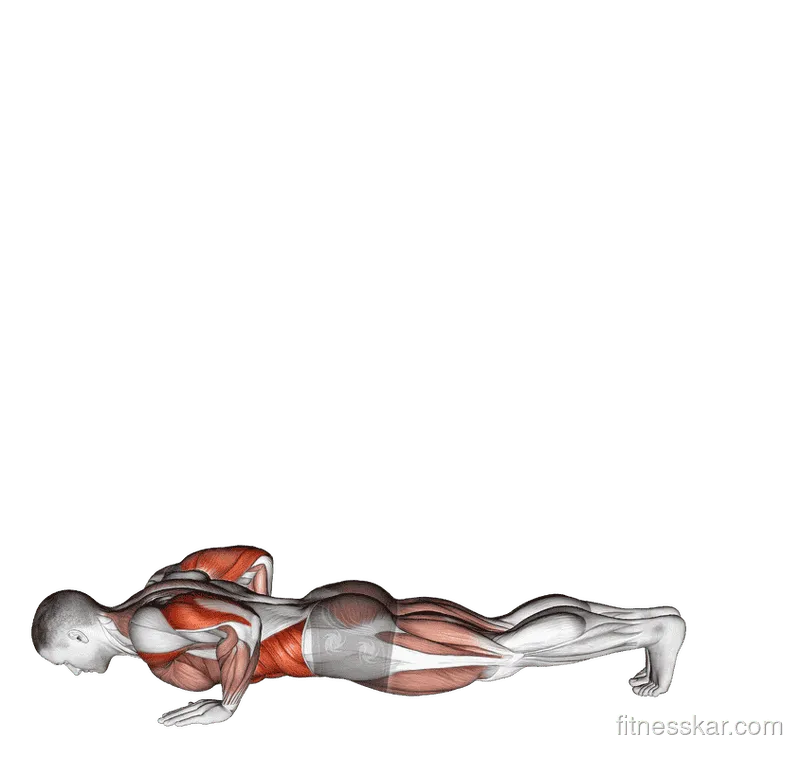
3 Inchworm - Sets
- 1
- Reps
- 5
-

4 World's Greatest Stretch - Sets
- 1
- Reps
- 3
-
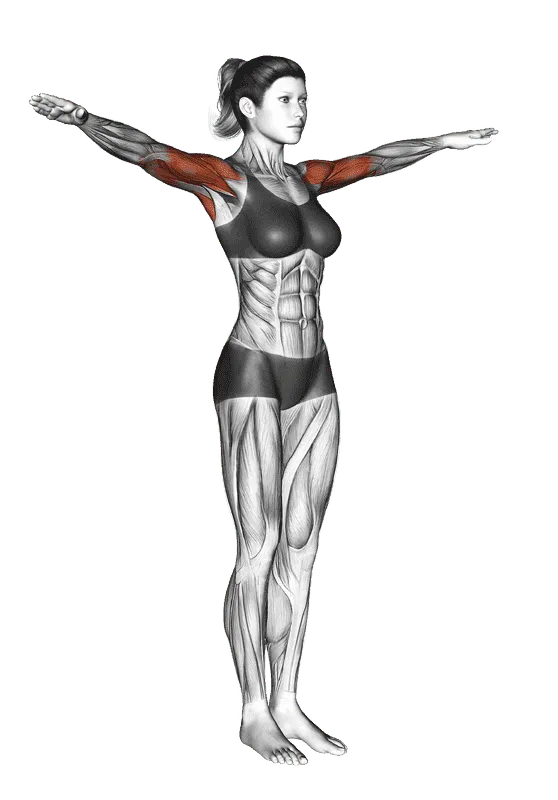
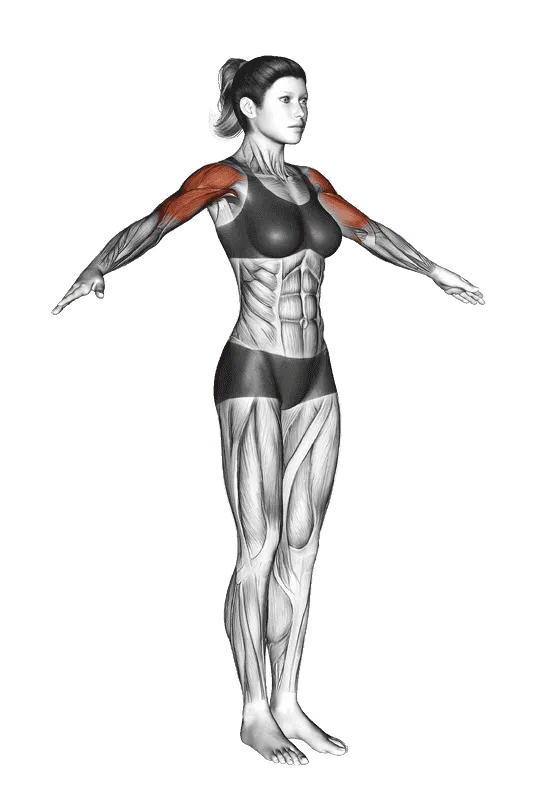
5 Arm Circles - Duration
- 30 sec

The workout
Do the eight exercises below as a circuit: one set of each, in order, with about 30 seconds to catch your breath and set up between exercises. After the last exercise, rest 90 seconds. That is one round. Beginners should do two rounds; everyone else does three.
Full-body circuit (2 to 3 rounds)
-
1 Bodyweight Squat - Sets
- 3
- Reps
- 12–20
- Rest
- 30 s
-
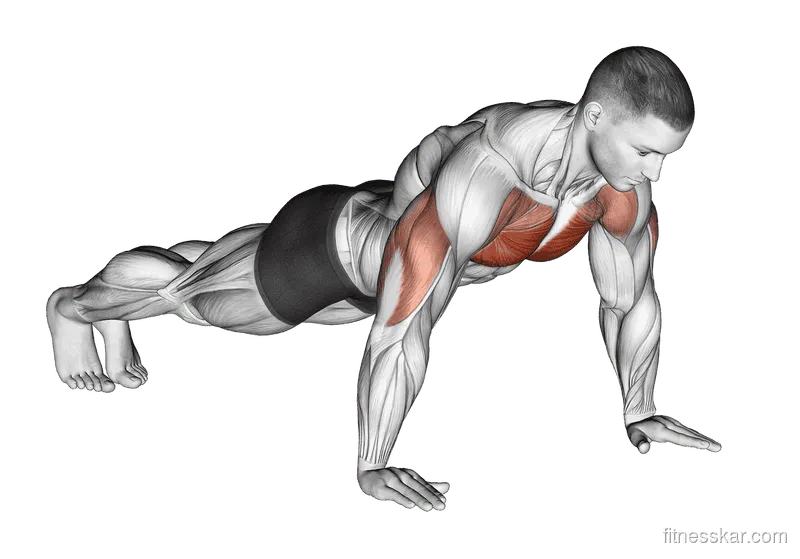
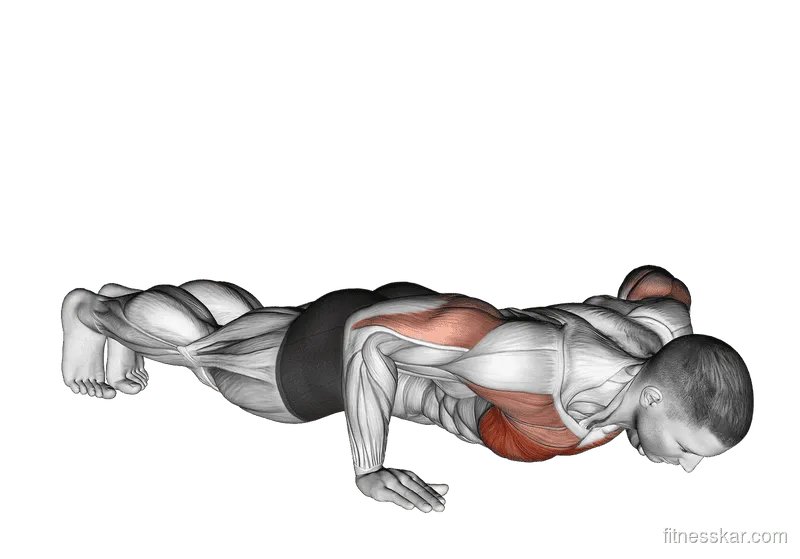
2 Push-Up - Sets
- 3
- Reps
- 6–15
- Rest
- 30 s
-
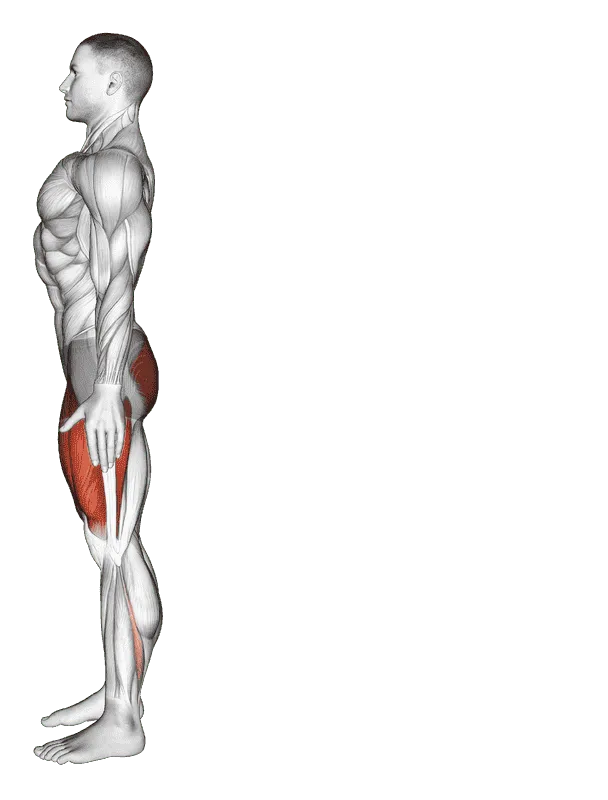
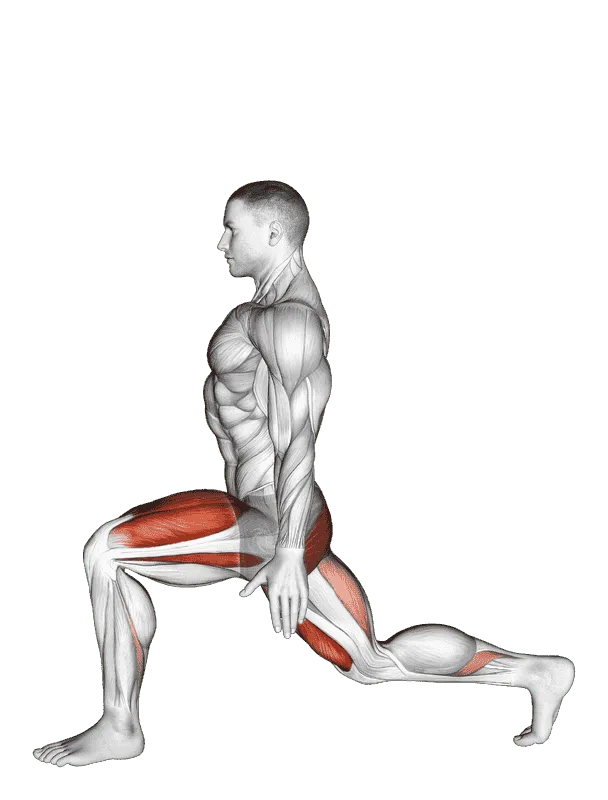
3 Bodyweight Rear Lunge - Sets
- 3
- Reps
- 8–12
- Rest
- 30 s
-
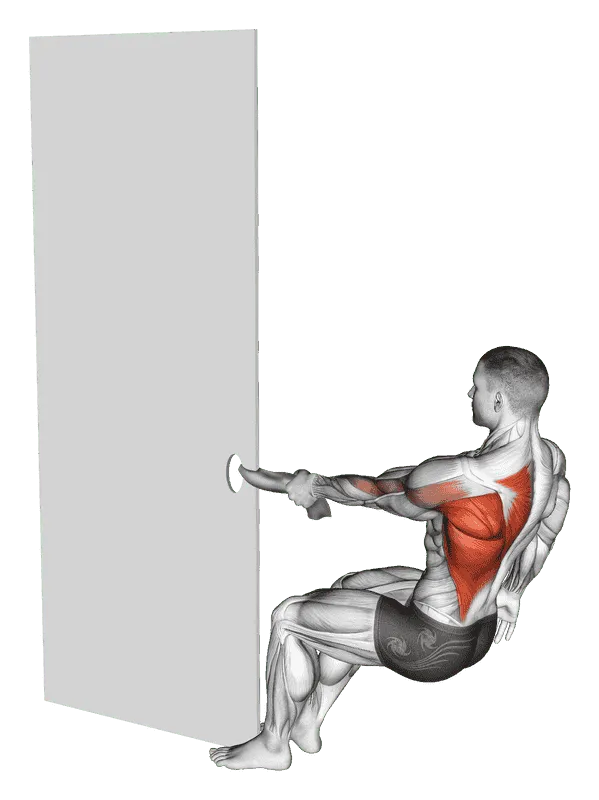
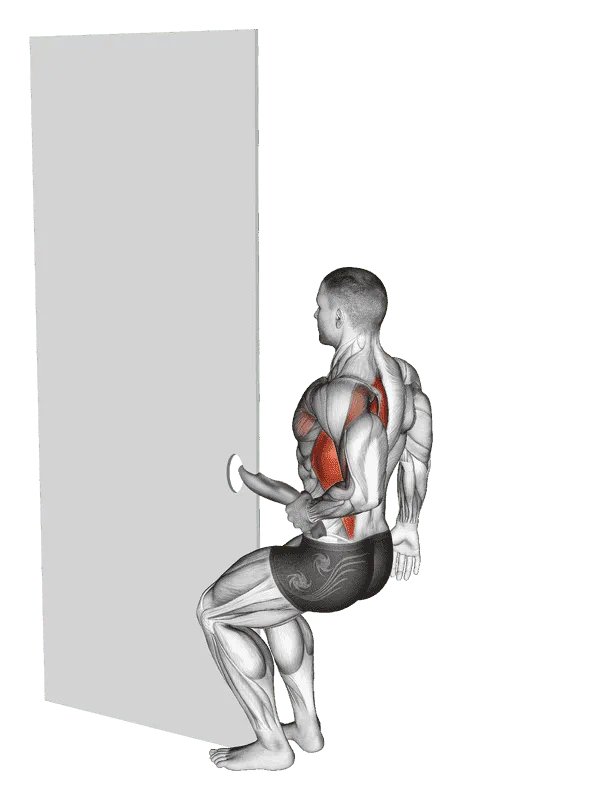
4 One-Arm Towel Row - Sets
- 3
- Reps
- 10–15
- Rest
- 30 s
-
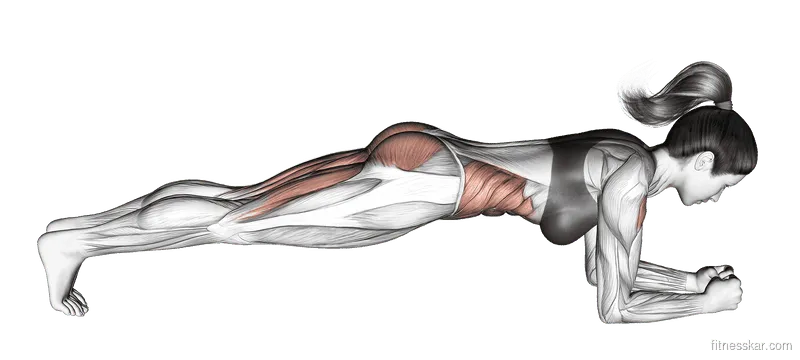
5 Hip Raise/Bridge - Sets
- 3
- Reps
- 12–20
- Rest
- 30 s
-
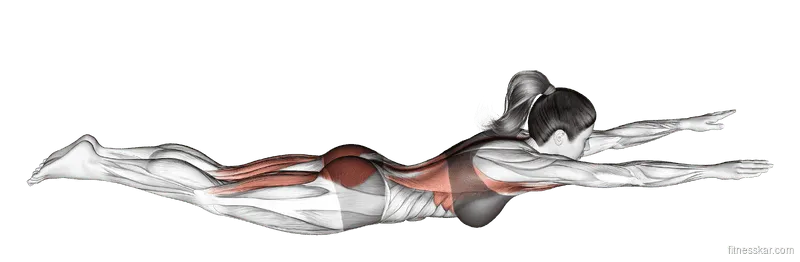
6 Superman Exercise - Sets
- 3
- Reps
- 10–15
- Rest
- 30 s
-
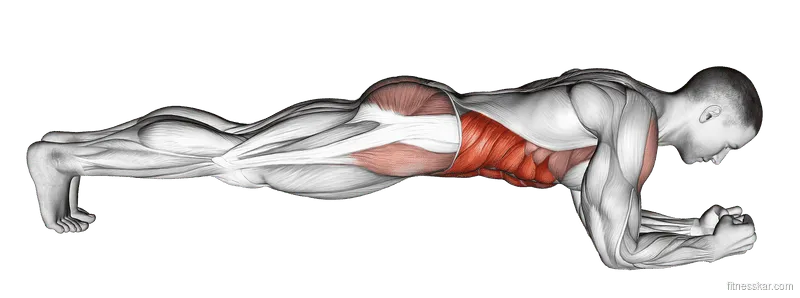
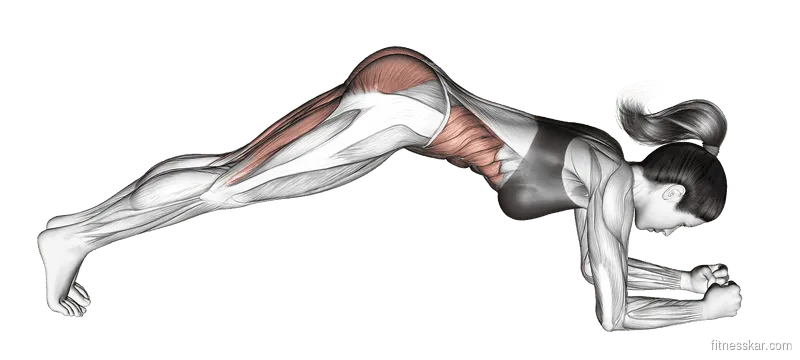
7 Front Plank - Sets
- 3
- Rest
- 30 s
- Duration
- 20–45 sec
-
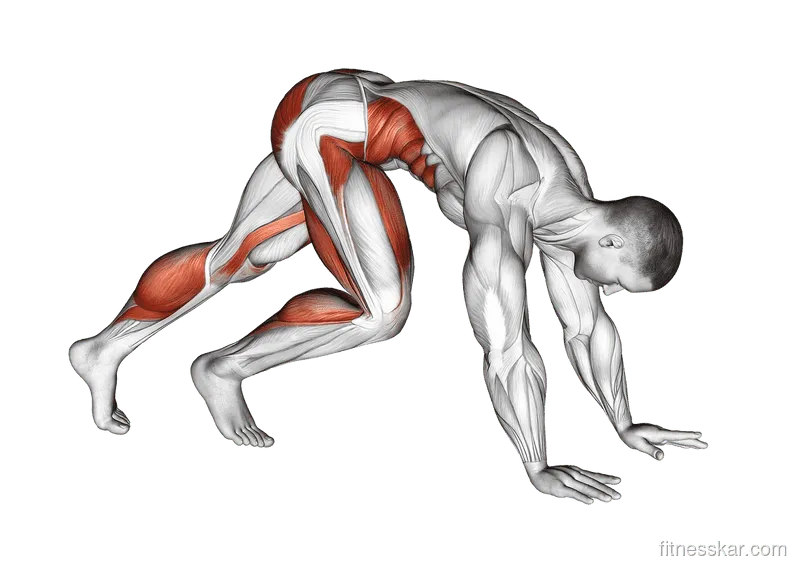
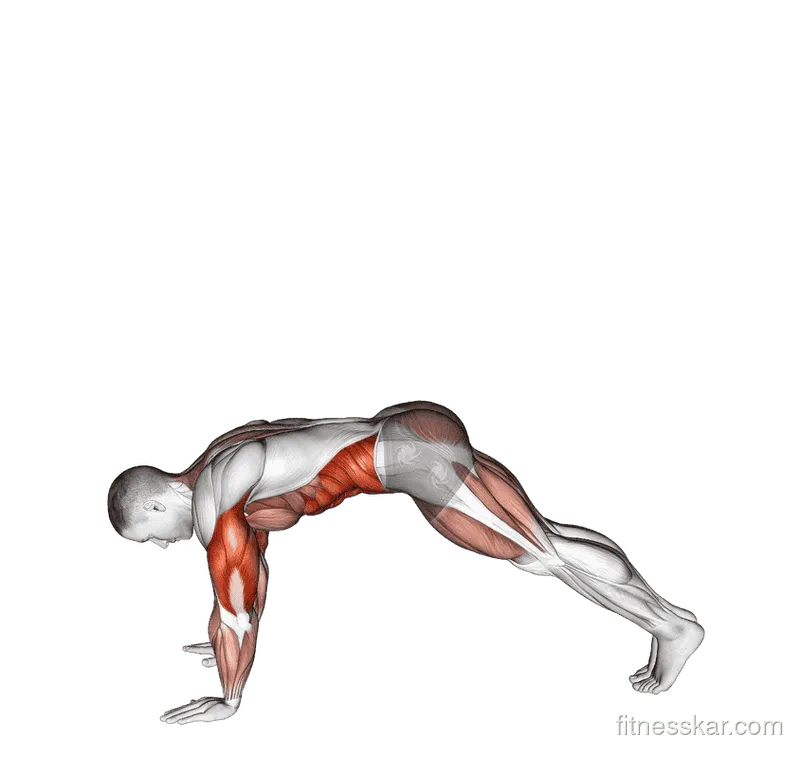
8 Mountain Climber - Sets
- 3
- Rest
- 90 s
- Duration
- 30 sec
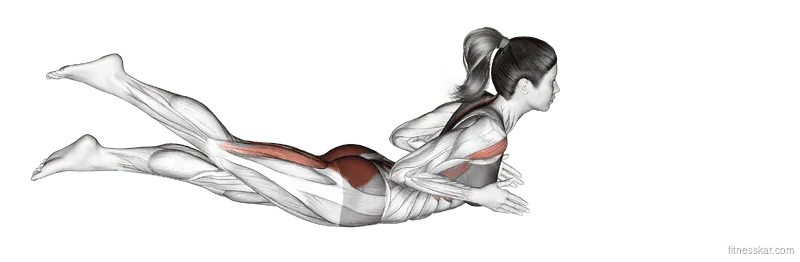
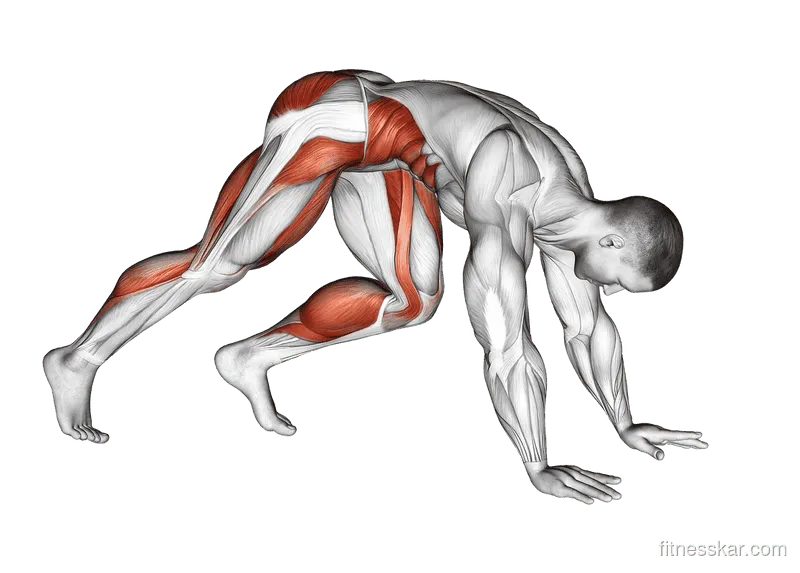
How hard should it feel?
Finish each set with one to three good reps left in the tank. For the timed exercises, choose a duration where the last few seconds are genuinely hard.
You do not need to train to failure: a meta-analysis found at most a trivial muscle-growth advantage for sets taken to failure over sets stopped short of it.[5] But easy sets do not build much. The finding that light loads can build as much muscle as heavy ones comes from studies in which every set was pushed to failure,[6] so bodyweight training only works when the sets are hard.
After the last round, walk around for a few minutes and gently stretch any muscles that feel tight.
Common mistakes
- Rushing the reps. Speed makes bodyweight exercises easier, not better. Take two to three seconds to lower yourself on every rep.
- Cutting the range of motion. Half squats and half push-ups skip the hardest part of the movement. Use an easier variation through the full range instead.
- Letting your hips sag. In push-ups, planks and mountain climbers, squeeze your glutes and brace your abs so your body stays in one line.
- Staying on the easy version for months. If you finish every round with plenty left, the circuit has stopped challenging you. Move up a variation.
Make it easier or harder
Pick the version of each exercise that fits the rep range above. When you hit the top of the range in every round, move to the harder version.
| Exercise | Easier | Harder |
|---|---|---|
| Squat | Squat down to a chair | Bulgarian split squat or jump squat |
| Push-up | Incline push-up or knee push-up | Decline push-up |
| Reverse lunge | Hold a chair for balance | Walking lunge |
| Towel row | Stand more upright | Lean back further and pause for two seconds at the top |
| Glute bridge | Smaller range of motion | Single-leg bridge |
| Superman | Bird dog | Hold each rep for three seconds |
| Plank | Plank from your knees | Side plank or plank arm lifts |
| Mountain climber | Step your feet in slowly | Burpee |
For more options for every muscle group, see the best bodyweight exercises.
How often to train and how to progress
Do the circuit two or three times a week, with at least one day off between sessions. In a meta-analysis on training frequency, training each muscle group twice a week produced more muscle growth than training it once.[7] The circuit trains every muscle each time, so two sessions already meet that mark and a third adds more practice.
Progress in this order:
- Weeks 1 and 2: two rounds, using whichever versions let you stay in the rep ranges.
- Weeks 3 and 4: three rounds.
- From week 5: keep three rounds and move one or two exercises a week to their harder version once you reach the top of the rep range.
Expect some muscle soreness after the first few sessions, especially in your legs. It usually eases within a few days and becomes milder as your body gets used to the work. Soreness is not a measure of a good workout, and you can train while mildly sore.
The circuit is not your only activity. The guidelines quoted at the start also call for aerobic activity, and brisk walking on your off days counts toward it. A balanced week can look like this:
| Day | Plan |
|---|---|
| Monday | Full-body circuit |
| Tuesday | 30-minute brisk walk |
| Wednesday | Full-body circuit |
| Thursday | Walk or rest |
| Friday | Full-body circuit |
| Saturday | A longer walk, a bike ride or a sport you enjoy |
| Sunday | Rest |
When the harder versions start to feel easy, you are ready for a longer program with more variety.
FAQ
Frequently asked questions
Can you build muscle with a no-equipment workout?
Yes, especially in your first months of training, as long as the sets are hard and you keep moving to harder variations. Over time your legs and back need more challenge, which single-leg exercises, slower reps or a pull-up bar can provide.
How long should a home workout be?
Around 30 to 45 minutes is enough for most people. This circuit takes about 35 minutes with the warm-up; two rounds take closer to 25.
Can I do this workout every day?
It is better not to. Leave at least one day between circuit days so your muscles can recover and adapt, and walk, cycle or stretch on the days in between.
Will this workout help me lose fat?
It helps by burning energy and helping you keep muscle, but fat loss depends mainly on eating fewer calories than you burn. See our guide to the calorie deficit.
What if I cannot do a single push-up?
Start with wall push-ups, then move to push-ups with your hands on a table or the arm of a sofa. Our push-up variations guide lays out every step up to the full push-up.
Sources
- Bull FC, Al-Ansari SS, Biddle S, et al. World Health Organization 2020 guidelines on physical activity and sedentary behaviour. British Journal of Sports Medicine. 2020. pubmed.ncbi.nlm.nih.gov/33239350/ ↩
- Centers for Disease Control and Prevention. Adult activity: an overview. CDC. 2023. cdc.gov/physical-activity-basics/guidelines/adults.html ↩
- Riebe D, Franklin BA, Thompson PD, et al. Updating ACSM's recommendations for exercise preparticipation health screening. Medicine & Science in Sports & Exercise. 2015. pubmed.ncbi.nlm.nih.gov/26473759/ ↩
- Fradkin AJ, Zazryn TR, Smoliga JM. Effects of warming-up on physical performance: a systematic review with meta-analysis. Journal of Strength and Conditioning Research. 2010. pubmed.ncbi.nlm.nih.gov/19996770/ ↩
- Refalo MC, Helms ER, Trexler ET, Hamilton DL, Fyfe JJ. Influence of resistance training proximity-to-failure on skeletal muscle hypertrophy: a systematic review with meta-analysis. Sports Medicine. 2023. pubmed.ncbi.nlm.nih.gov/36334240/ ↩
- Schoenfeld BJ, Grgic J, Ogborn D, Krieger JW. Strength and hypertrophy adaptations between low- vs. high-load resistance training: a systematic review and meta-analysis. Journal of Strength and Conditioning Research. 2017. pubmed.ncbi.nlm.nih.gov/28834797/ ↩
- Schoenfeld BJ, Ogborn D, Krieger JW. Effects of resistance training frequency on measures of muscle hypertrophy: a systematic review and meta-analysis. Sports Medicine. 2016. pubmed.ncbi.nlm.nih.gov/27102172/ ↩