When the number on the scale drops, not all of that weight is fat. In a classic meta-analysis of diet studies, people who dieted without exercising lost about a quarter of their weight as fat-free mass (24% in women, 28% in men). Adding exercise training cut that share roughly in half, to 11–13%.[1]
Fat-free mass includes water and organs as well as muscle, but the message is clear: how you diet decides what you lose. This guide covers the five levers that decide whether your muscle stays while the fat comes off: the size of your deficit, how fast you lose, your protein intake, your training and your sleep.
1. Use a moderate calorie deficit
You need a calorie deficit to lose fat, but a bigger deficit is not automatically better. A 2022 meta-analysis of resistance-training studies found that an energy deficit of about 500 kcal a day was enough to stop lean-mass gains. The authors' advice for people who want to preserve muscle during weight loss is to avoid deficits larger than 500 kcal a day.[2]
In practice, start around 300–500 kcal below your maintenance calories. If you don't know your maintenance number yet, our guide to calorie deficits shows you how to estimate it and how to adjust as you go.
2. Lose weight slowly: 0.5–1% per week
Your weekly rate of loss is the easiest way to check whether your deficit is sensible. Evidence-based recommendations for natural bodybuilders, who care about keeping muscle more than almost anyone, set calories so that body weight drops by about 0.5–1% per week.[3]
A randomized trial in elite athletes shows why slower tends to win. Athletes who lifted four times a week aimed to lose either 0.7% or 1.4% of their body weight per week. Both groups ended up about 5.5% lighter, but the slower group lost more of its fat mass (31% vs. 21%) and gained 2.1% lean mass, while the faster group's lean mass did not change. The trade-off was time: about 8.5 weeks instead of 5.3.[4]
| Body weight | 0.5% per week | 1% per week |
|---|---|---|
| 60 kg (132 lb) | 0.3 kg (0.7 lb) | 0.6 kg (1.3 lb) |
| 75 kg (165 lb) | 0.4 kg (0.8 lb) | 0.75 kg (1.7 lb) |
| 90 kg (198 lb) | 0.45 kg (1 lb) | 0.9 kg (2 lb) |
| 110 kg (243 lb) | 0.55 kg (1.2 lb) | 1.1 kg (2.4 lb) |
Daily weight bounces around with water and food in your gut, so weigh yourself most mornings and compare weekly averages, not single days.
3. Eat more protein than you think you need
Protein is the nutrient that does the most to protect muscle in a deficit. The same bodybuilding recommendations suggest 2.3–3.1 g of protein per kg of lean body mass per day, with the higher end for leaner people and steeper deficits.[3]
A randomized trial put this to a hard test. Young men ate about 40% fewer calories than they needed for four weeks while lifting weights and doing interval training six days a week. The group eating 2.4 g of protein per kg of body weight per day gained 1.2 kg of lean mass and lost 4.8 kg of fat. The group eating 1.2 g/kg gained only 0.1 kg of lean mass and lost 3.5 kg of fat.[5]
How to work out your number: if you weigh 80 kg at 25% body fat, your lean mass is 60 kg, so your target is 2.3–3.1 × 60 = about 140–185 g of protein a day.
- Spread it over three to six meals. A protein-rich meal before and after training (about 0.4–0.5 g per kg of body weight) is a sensible default, but total daily intake matters far more than timing.[3]
- Build meals around chicken, fish, eggs, lean meat, Greek yogurt, cottage cheese, lentils and beans.
- A protein shake is just convenient food, not a requirement.
For a deeper look at targets and food choices, read our guide to protein for muscle gain.
4. Keep lifting heavy
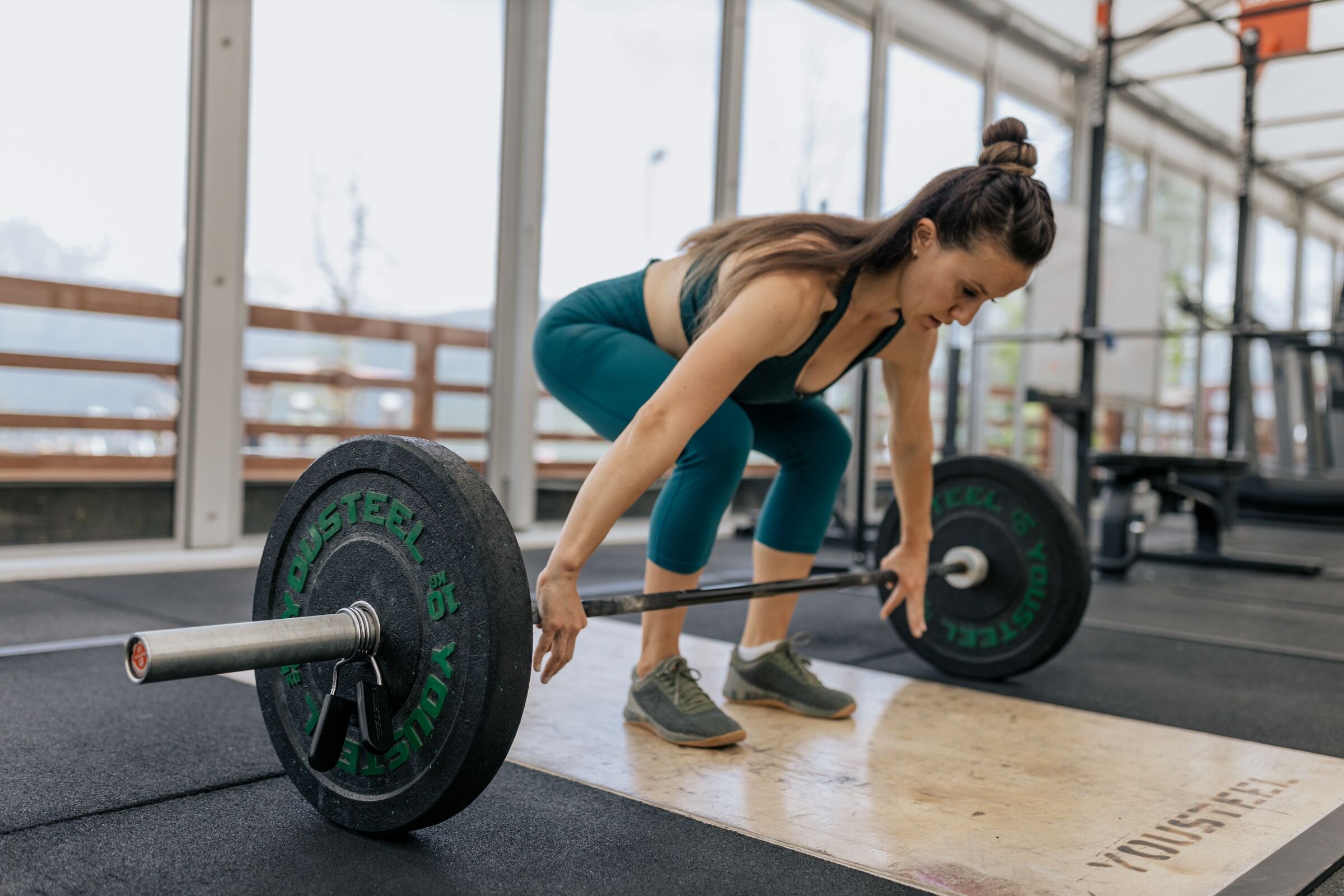
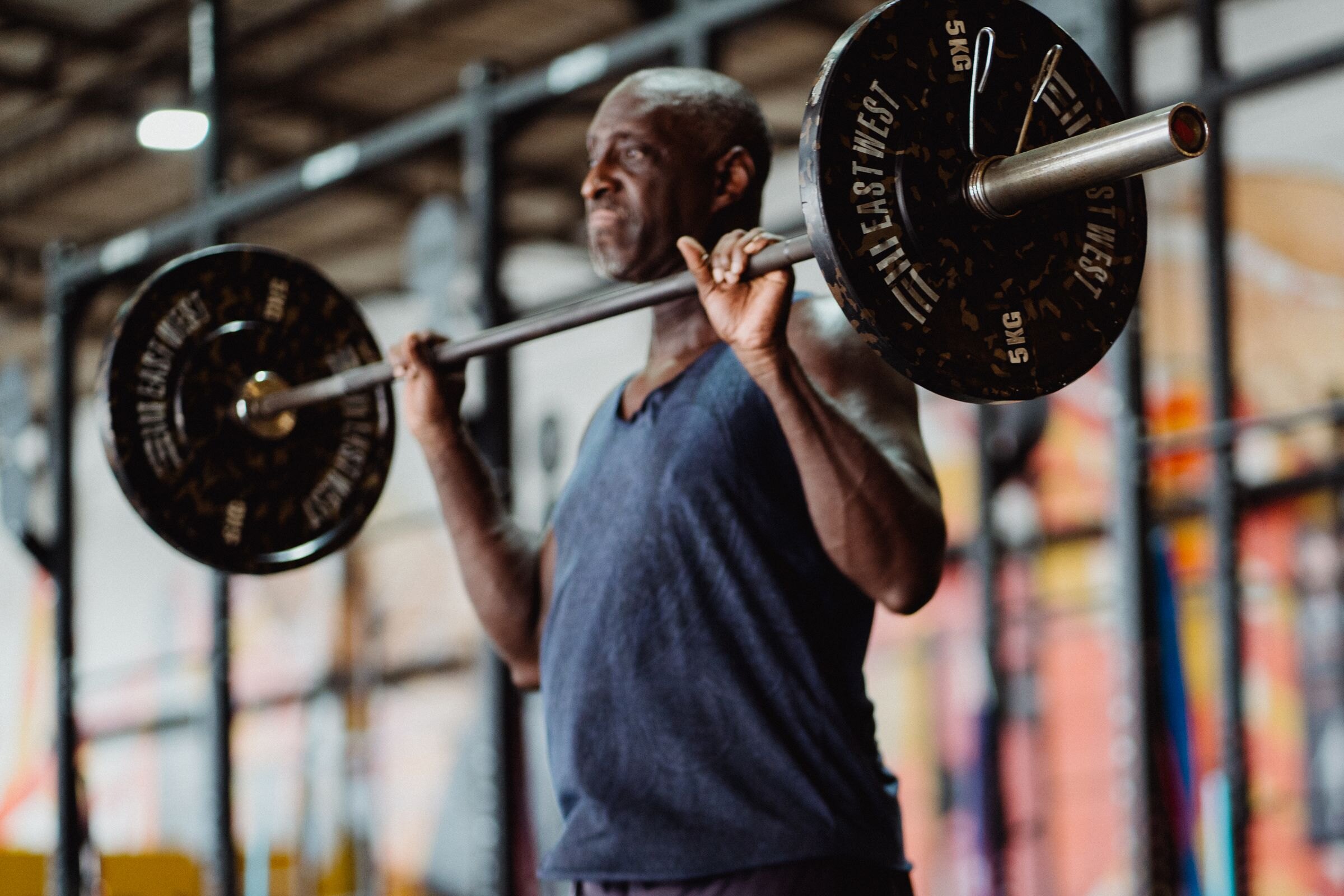
The training that built your muscle is the signal that keeps it. A common mistake is to switch to light weights and high reps "to tone up" or "to burn fat" as soon as the diet starts. That removes the very stimulus your muscles need.
A 2021 review of how much training it takes to maintain muscle found that younger adults kept their strength and muscle size for up to 32 weeks with as little as one session a week and one set per exercise, while older adults needed up to two sessions a week and two to three sets, as long as the intensity (the relative load) stayed the same. The authors concluded that intensity is the key variable.[6] Those studies were not done during a diet, so don't cut your training to the bare minimum. But when dieting fatigue builds up, drop a set before you drop the weight.
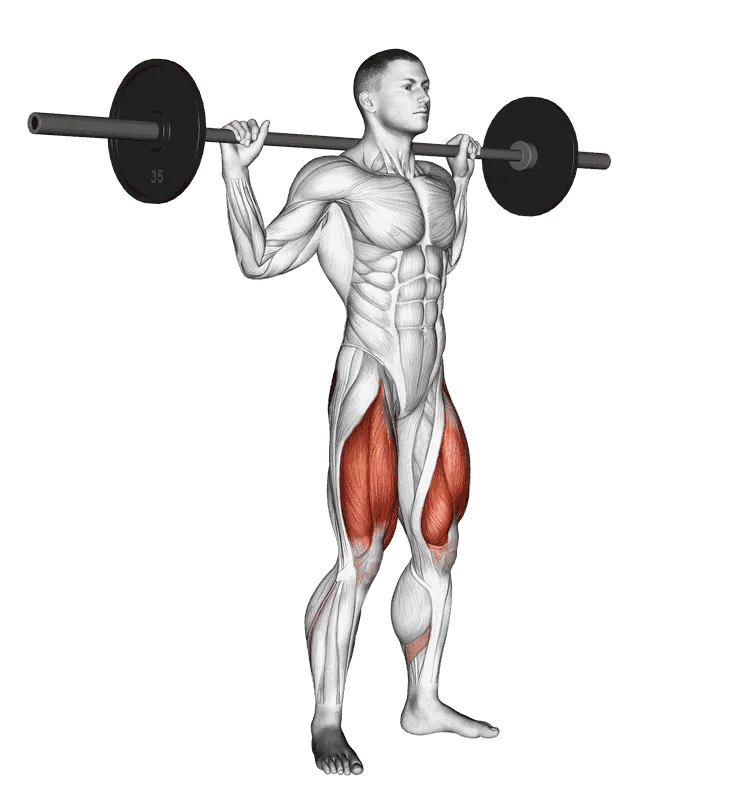
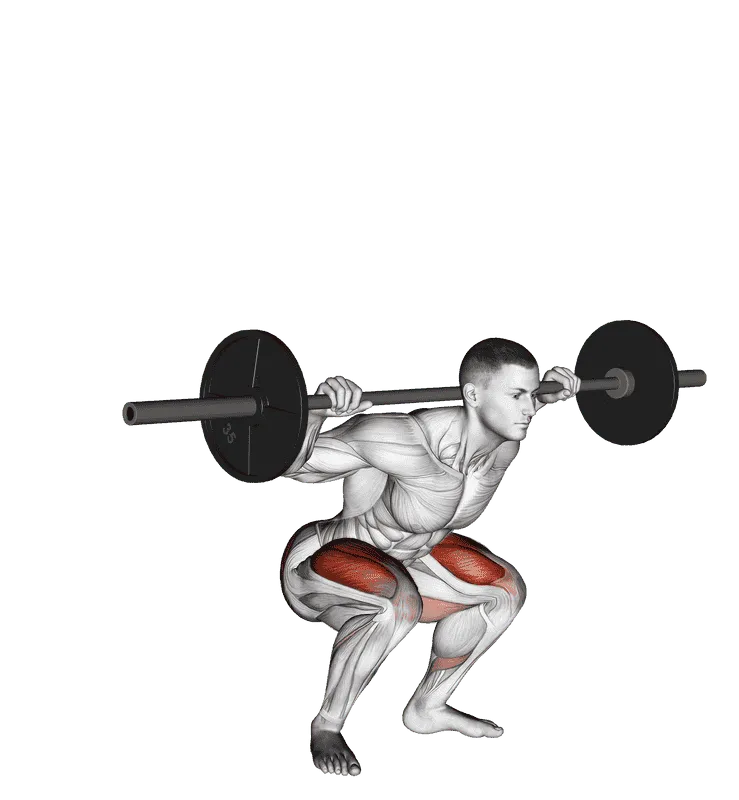
- Sets
- 3–4
- Reps
- 5–8
- Rest
- 150 s
Rules of thumb for training during a cut:
- Keep your main compound lifts in the 5–10 rep range with loads close to your pre-diet numbers.
- Stop most sets with one to three good reps left in the tank.
- Train every major muscle group at least twice a week.
- If your strength keeps falling for two weeks or more, your deficit is probably too aggressive.
A simple full-body plan, three days a week
Alternate the two workouts: A, B, A one week and B, A, B the next, with at least one rest day between sessions.
Workout A
-
1 Barbell Full Squat - Sets
- 3
- Reps
- 5–8
- Rest
- 150 s
-
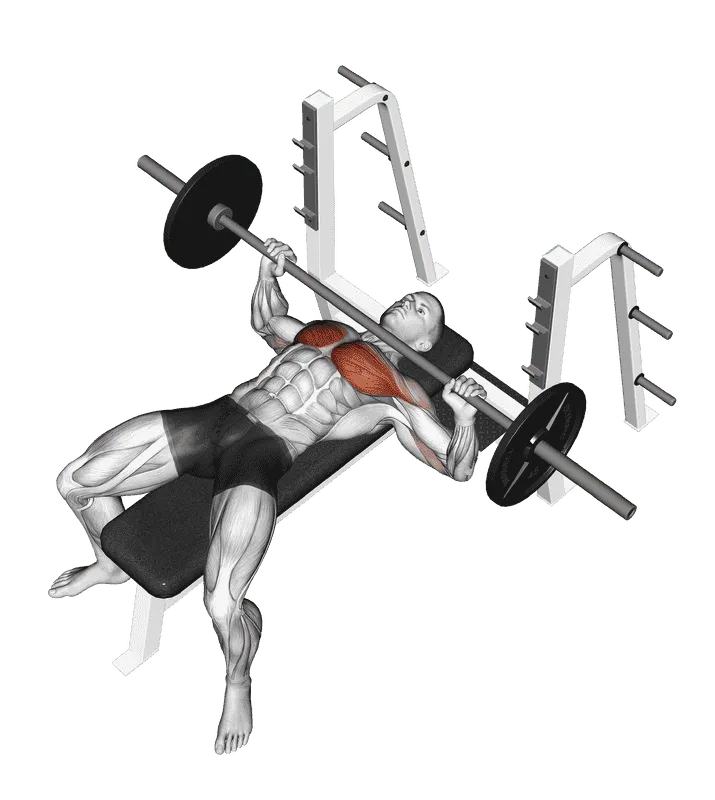
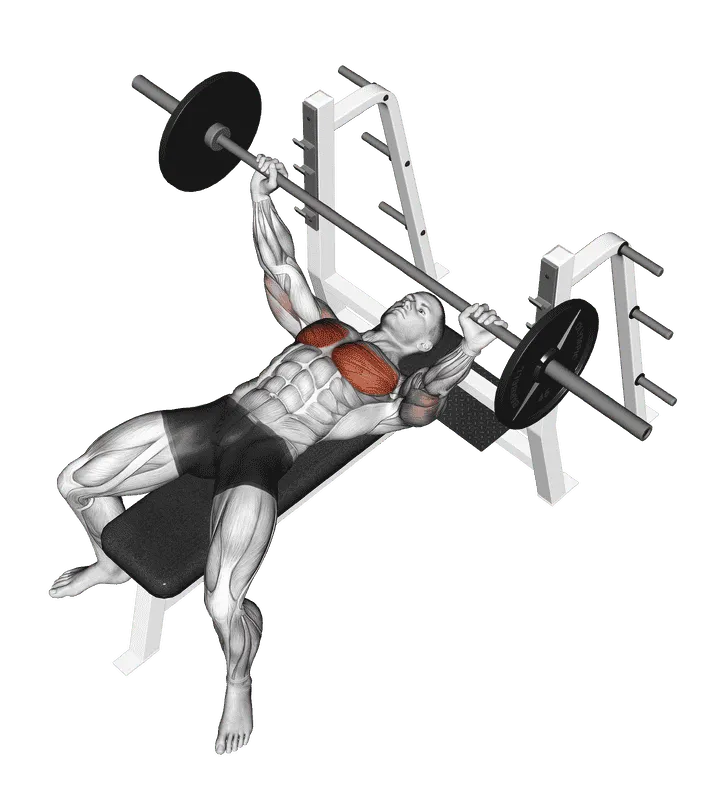
2 Barbell Bench Press - Sets
- 3
- Reps
- 5–8
- Rest
- 150 s
-
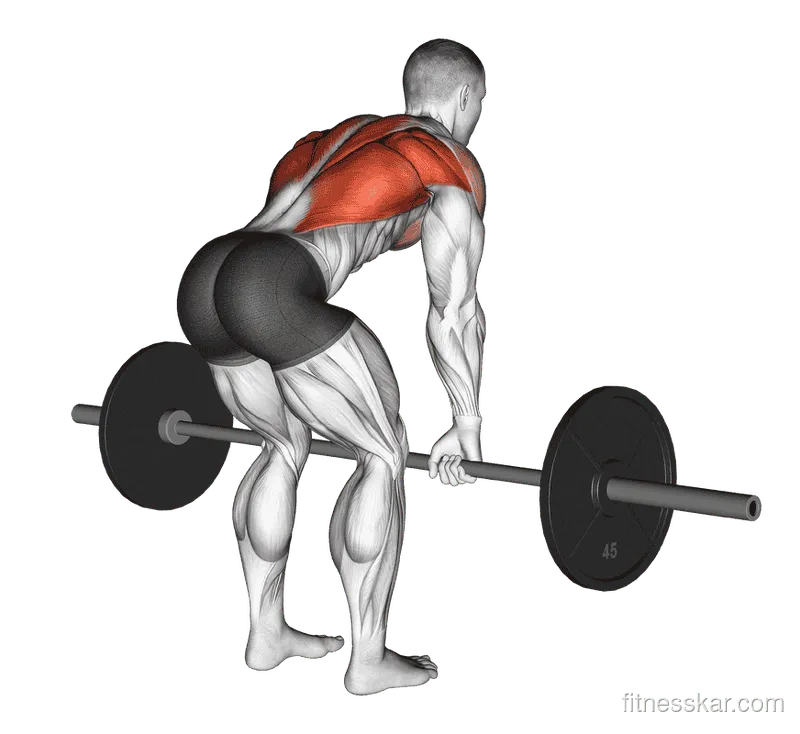
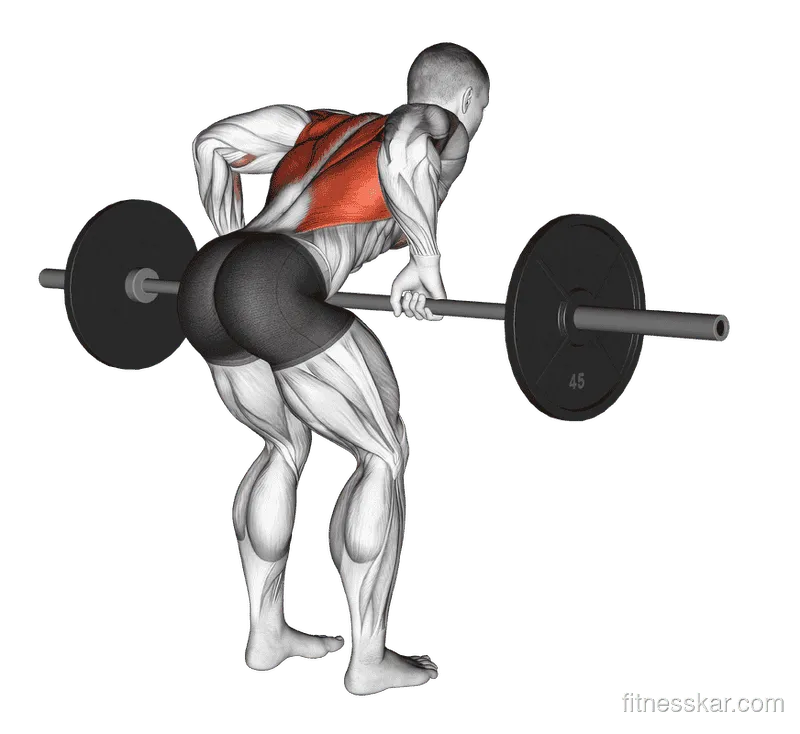
3 Barbell Bent-Over Row - Sets
- 3
- Reps
- 6–10
- Rest
- 120 s
-
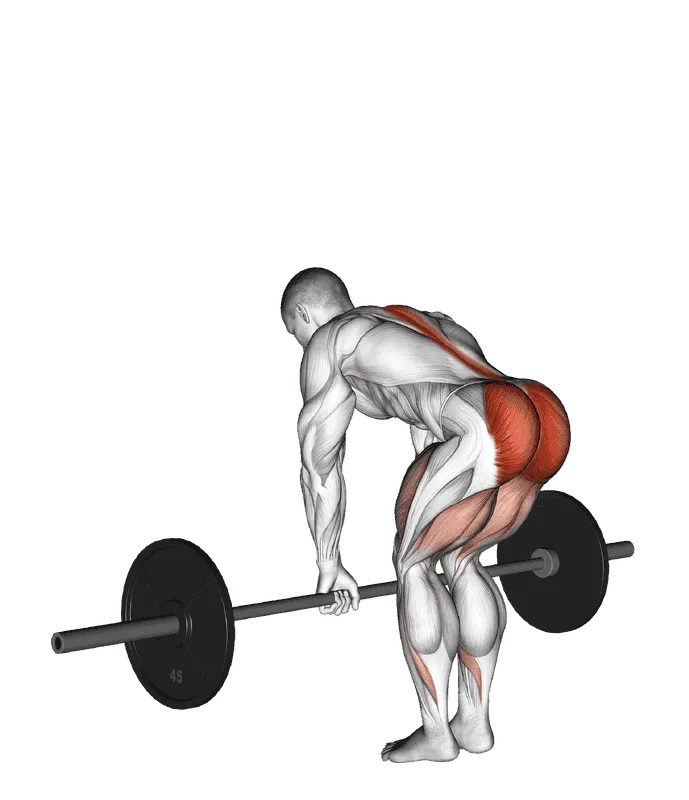
4 Barbell Romanian Deadlift - Sets
- 3
- Reps
- 8–10
- Rest
- 120 s
Workout B
-
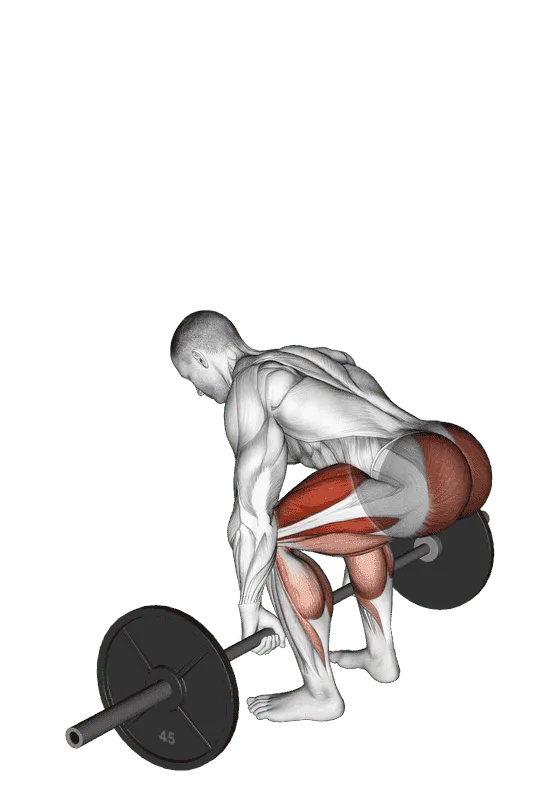
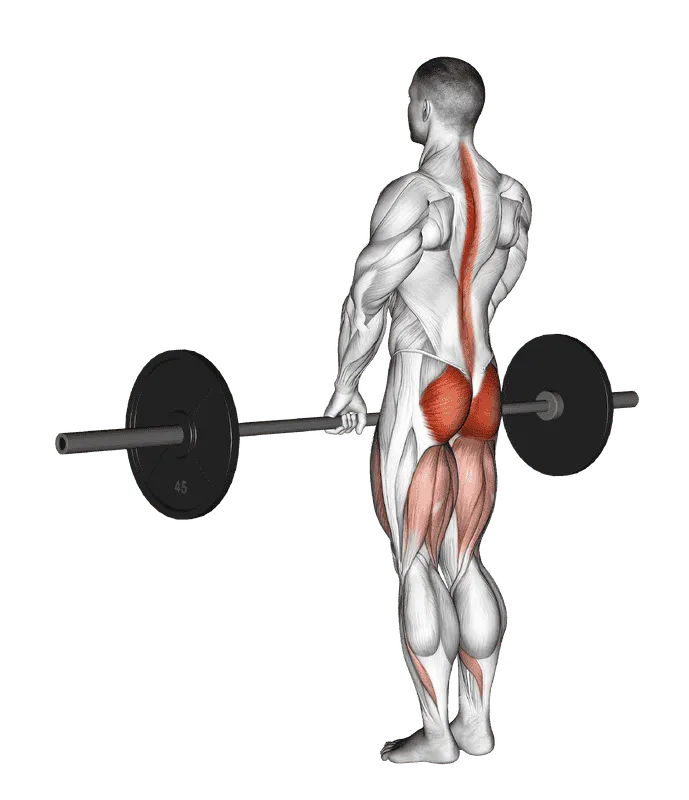
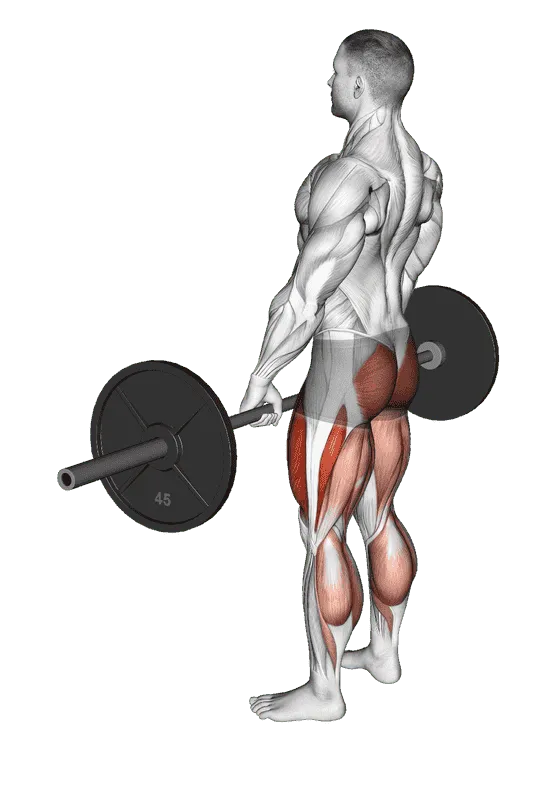
1 Barbell Deadlift - Sets
- 3
- Reps
- 4–6
- Rest
- 180 s
-
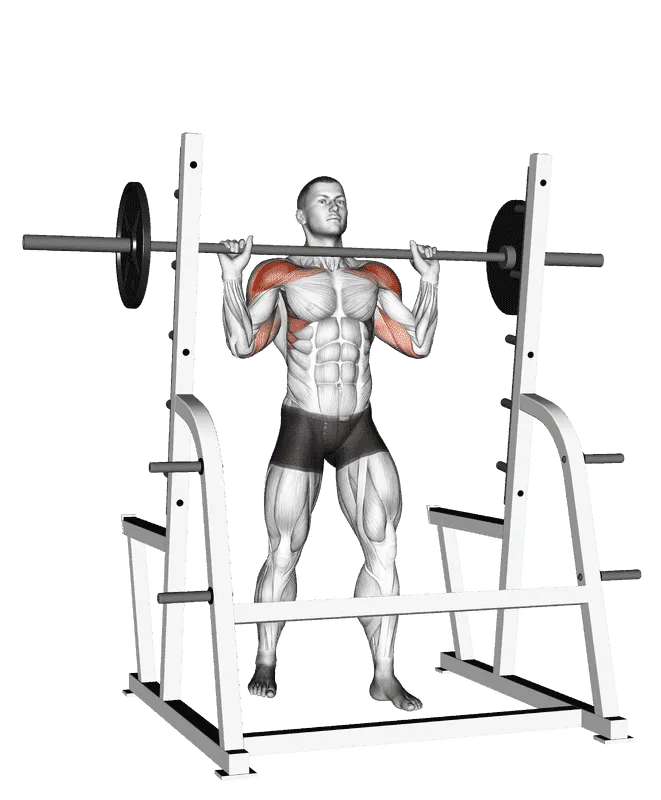
2 Barbell Standing Military Press - Sets
- 3
- Reps
- 6–8
- Rest
- 150 s
-
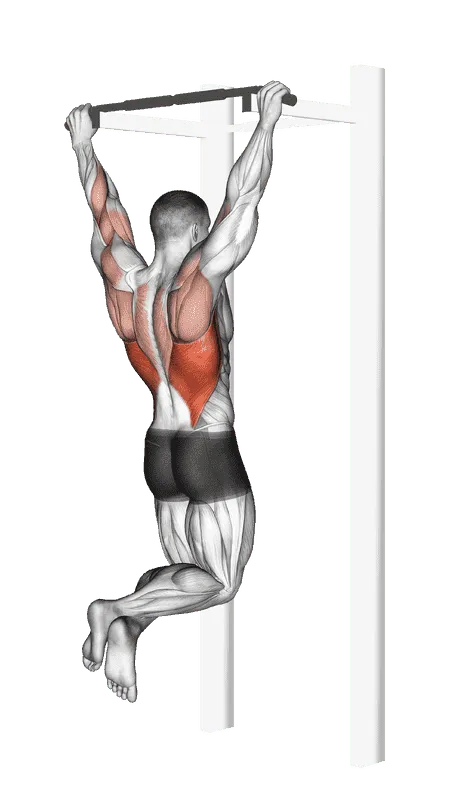
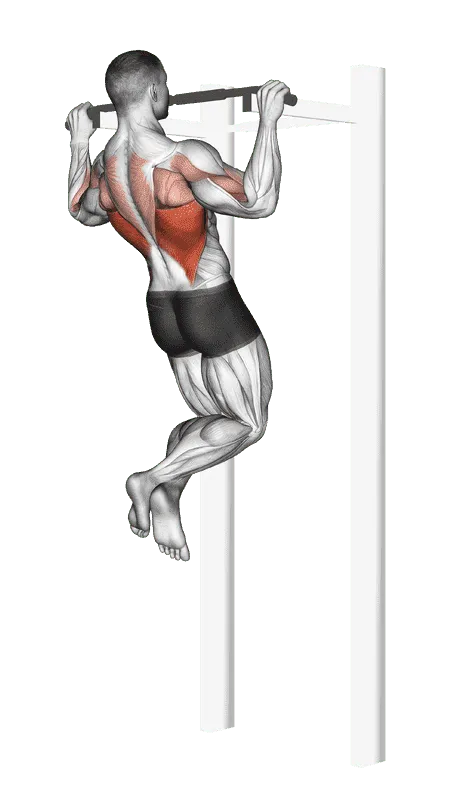
3 Pull-Up - Sets
- 3
- Reps
- 6–10
- Rest
- 120 s
-
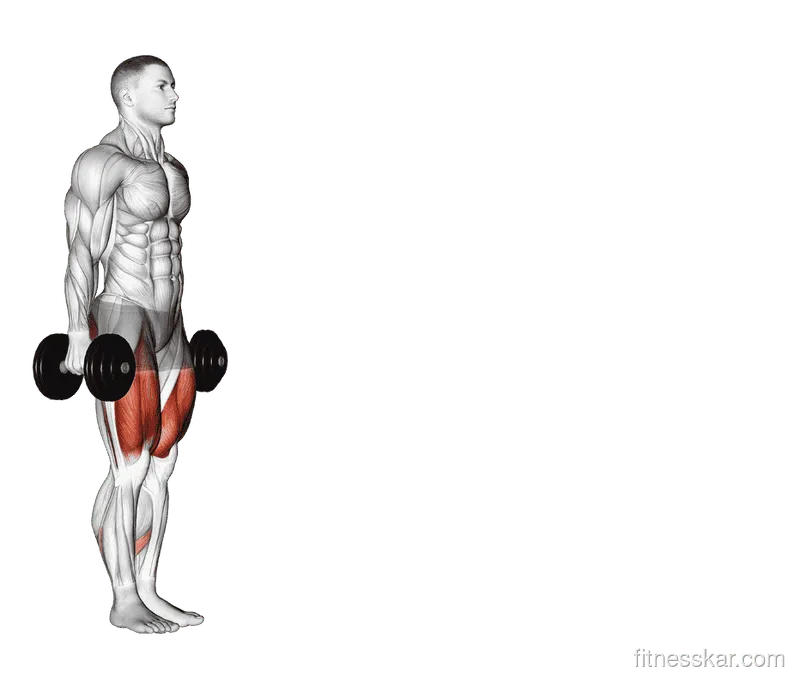
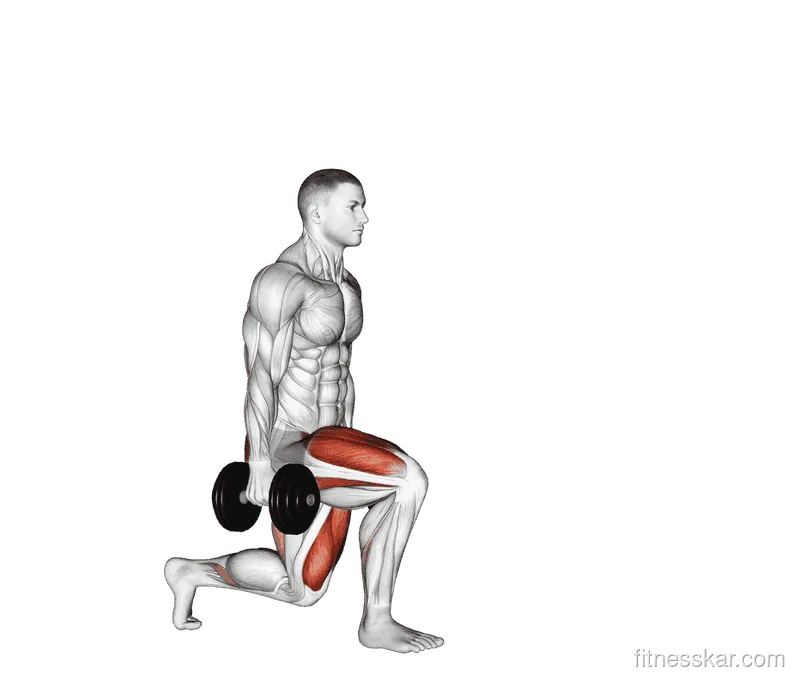
4 Dumbbell Walking Lunges - Sets
- 2
- Reps
- 10–12
- Rest
- 90 s
-
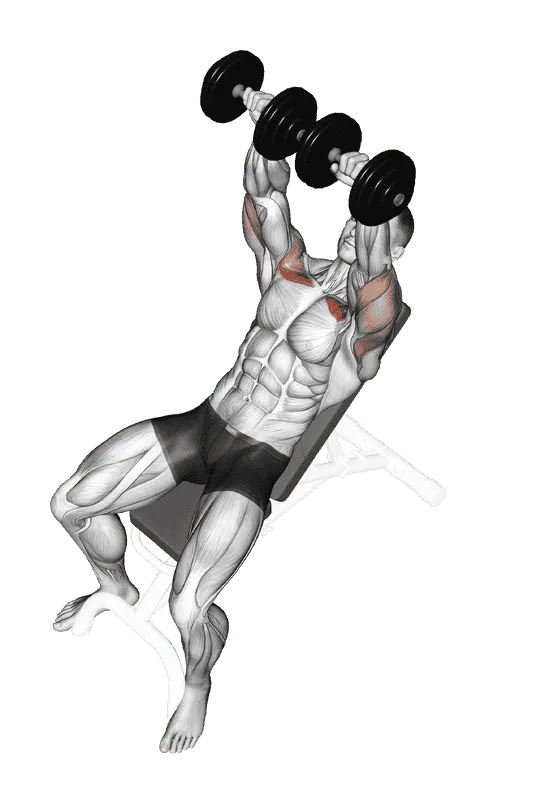
5 Dumbbell Incline Bench Press - Sets
- 2
- Reps
- 8–12
- Rest
- 90 s


5. Protect your sleep
Sleep is the most underrated part of a cut. In a controlled crossover trial, ten overweight adults followed the same moderate calorie restriction for 14 days twice: once with 8.5 hours in bed each night and once with 5.5 hours. With short sleep, the share of their weight loss that came from fat fell by 55% (0.6 kg of fat lost vs. 1.4 kg) and their loss of fat-free mass rose by 60% (2.4 kg vs. 1.5 kg). They were also hungrier.[7]
It was a small, short study, but the direction is hard to ignore. If you regularly sleep less than six hours, treat fixing that as part of your diet plan, not an optional extra.
What about cardio?
Cardio helps you widen the deficit and it is good for your heart, but lifting is what protects your muscle. Keep cardio moderate and easy to recover from: brisk walks, cycling or the rowing machine work well. For the full comparison, read cardio vs. weights for fat loss.
How to tell whether you're keeping muscle
You don't need a lab. Watch these four signals together:
- Scale trend: your weekly average falls by about 0.5–1% per week.
- Waist: the tape measure at your navel goes down.
- Strength: your main lifts hold steady or improve.
- Mirror and clothes: photos taken every two weeks in the same light show a leaner shape.
If you are losing faster than 1% a week and your lifts are sliding, add 100–200 kcal a day, mostly from carbohydrates around training, and reassess after two weeks.
Mistakes that cost muscle
- Crash dieting: very large deficits make muscle much harder to keep.
- Skimping on protein: protein needs go up, not down, when you diet.
- Swapping heavy lifting for "toning": light weights don't send the same signal.
- Using cardio to cancel out food: piling on hours of cardio adds fatigue that eats into your lifting.
- Short sleep: it shifts weight loss away from fat.
Your cut, step by step
- Estimate your maintenance calories and eat 300–500 kcal less.
- Set your protein target at 2.3–3.1 g per kg of lean mass and hit it every day.
- Lift three times a week with the plan above, keeping your loads as close to pre-diet numbers as you can.
- Add walking and one or two easy cardio sessions, not more than you can recover from.
- Give yourself a full night in bed, every night.
- Every two weeks, check your rate of loss, your waist and your main lifts, then adjust calories by 100–200 kcal if needed.
If you have a medical condition, take regular medication, are pregnant or have a history of disordered eating, talk to your doctor or a registered dietitian before you start a diet.
Frequently asked questions
Can you build muscle while losing fat?
Sometimes, yes. In the trials above, young men on a high-protein diet gained 1.2 kg of lean mass while losing 4.8 kg of fat, and athletes losing weight slowly also added lean mass. Whether it happens to you depends on your starting point, so treat keeping your muscle as the goal and any gain as a bonus.
How fast can I lose fat without losing muscle?
Aim for about 0.5–1% of your body weight per week. In a trial in athletes, the slower rate kept more lean mass than the faster one.
Should I stop doing cardio while I cut?
No. Keep moderate cardio for health and to help the deficit, but don't let it crowd out your strength training or your recovery.
Do I need supplements to keep muscle in a deficit?
No. Enough calories, enough protein from food, heavy lifting and good sleep do the work. Protein powder is only a convenient way to reach your protein target.
Sources
- Ballor DL, Poehlman ET. Exercise-training enhances fat-free mass preservation during diet-induced weight loss: a meta-analytical finding. International Journal of Obesity and Related Metabolic Disorders. 1994. pubmed.ncbi.nlm.nih.gov/8130813/ ↩
- Murphy C, Koehler K. Energy deficiency impairs resistance training gains in lean mass but not strength: a meta-analysis and meta-regression. Scandinavian Journal of Medicine & Science in Sports. 2022. pubmed.ncbi.nlm.nih.gov/34623696/ ↩
- Helms ER, Aragon AA, Fitschen PJ. Evidence-based recommendations for natural bodybuilding contest preparation: nutrition and supplementation. Journal of the International Society of Sports Nutrition. 2014. pubmed.ncbi.nlm.nih.gov/24864135/ ↩
- Garthe I, Raastad T, Refsnes PE, Koivisto A, Sundgot-Borgen J. Effect of two different weight-loss rates on body composition and strength and power-related performance in elite athletes. International Journal of Sport Nutrition and Exercise Metabolism. 2011. pubmed.ncbi.nlm.nih.gov/21558571/ ↩
- Longland TM, Oikawa SY, Mitchell CJ, Devries MC, Phillips SM. Higher compared with lower dietary protein during an energy deficit combined with intense exercise promotes greater lean mass gain and fat mass loss: a randomized trial. American Journal of Clinical Nutrition. 2016. pubmed.ncbi.nlm.nih.gov/26817506/ ↩
- Spiering BA, Mujika I, Sharp MA, Foulis SA. Maintaining physical performance: the minimal dose of exercise needed to preserve endurance and strength over time. Journal of Strength and Conditioning Research. 2021. pubmed.ncbi.nlm.nih.gov/33629972/ ↩
- Nedeltcheva AV, Kilkus JM, Imperial J, Schoeller DA, Penev PD. Insufficient sleep undermines dietary efforts to reduce adiposity. Annals of Internal Medicine. 2010. pubmed.ncbi.nlm.nih.gov/20921542/ ↩