High-intensity interval training (HIIT) has a reputation as the fat-loss shortcut: 20 minutes of intervals that supposedly beat an hour on the treadmill. Steady-state cardio, meanwhile, gets dismissed as slow and boring. When researchers pool the trials, though, the fat-loss results are much closer than the marketing suggests.
Here is what the evidence says, where HIIT genuinely has the edge, and how to use both in a week without wrecking your recovery.
What counts as HIIT and steady-state?
- Steady-state cardio (moderate-intensity continuous training) is one continuous effort you can keep up for 20–60 minutes, such as brisk walking, cycling or an easy jog. You can talk in sentences, but you couldn't sing.
- HIIT alternates hard efforts, typically from about 30 seconds to a few minutes, with easy recovery. The hard parts are too intense to hold for long.
- Sprint interval training (SIT) is the extreme version: a few short, all-out sprints, such as 20 seconds each.
| Steady-state | HIIT | Sprint intervals | |
|---|---|---|---|
| Effort | Moderate, conversational | Hard, a few words at a time | All-out |
| Work periods | Continuous | About 30 seconds to 4 minutes | About 20–30 seconds |
| Typical session | 30–60 minutes | 20–30 minutes | 10–20 minutes |
| Example | Brisk incline walk | 8 × 30 seconds hard on a bike | 3 × 20-second sprints |
How hard should it feel?
You don't need a heart-rate monitor. Rate your effort from 1 (resting) to 10 (all-out):
- Steady-state: about 5–6 out of 10. Breathing is deeper, but you could hold a conversation.
- HIIT work intervals: about 8–9 out of 10. You can only get out a word or two, and you're glad when the interval ends.
- Recovery between intervals: about 2–3 out of 10. Slow down enough that you're ready for the next hard effort.
- Sprint intervals: 10 out of 10, which is why the sprints are so short.
What the research shows on fat loss
Two meta-analyses published in 2017 compared the approaches directly.
The first pooled 13 trials in adults aged 18–45 with overweight or obesity, who trained three times a week for about ten weeks. Both HIIT and steady-state cardio reduced total body fat and waist circumference, with no significant difference between them on any body-composition measure. HIIT did take about 40% less training time. Running-based programs produced large fat-loss effects for both types, while cycling programs did not produce significant fat loss in the pooled data.[1]
The second, larger analysis included 31 studies and reached the same verdict: no difference between interval training and steady-state cardio for any body-fat outcome. It added two caveats. Interval protocols that took less time or burned less energy tended to lose out to steady-state for total fat loss, so HIIT was "not necessarily" more time-efficient. And neither kind of training, over the short periods studied, produced clinically meaningful fat loss on its own.[2]
That second point matters most. Cardio of either kind makes a modest dent by itself. The calorie deficit from your diet does the heavy lifting, which is why our guide to calorie deficits is the place to start.
The afterburn is smaller than advertised
After a workout, your oxygen use stays raised for a while. This is called excess post-exercise oxygen consumption (EPOC), better known as the "afterburn," and it is the main reason HIIT is said to keep burning fat for hours.
A detailed review found that harder and longer sessions do produce a bigger afterburn, but even demanding protocols produced an EPOC worth only 6–15% of the net energy cost of the exercise itself. The authors noted that the share may be somewhat higher for intervals, because the rests between efforts carry some afterburn of their own. Still, they concluded that the old optimism about EPOC's role in weight loss is "generally unfounded": what counts is the energy you burn during the workout.[3]
So if an interval session burns 300 calories, the afterburn adds roughly 20–45 more, perhaps slightly more. Nice, but not a reason to choose one type of cardio over the other.
Where HIIT genuinely wins: time and fitness
HIIT's real strength is fitness per minute. In a 12-week trial, sedentary men trained three times a week. One group did three 20-second all-out cycling sprints inside a 10-minute session; the other cycled continuously for 45 minutes at about 70% of maximum heart rate. Both groups improved their aerobic fitness (peak oxygen uptake) by 19% and improved insulin sensitivity by a similar amount, even though the sprint group spent one-fifth of the time exercising.[4]
If your schedule is tight, intervals are a legitimate way to get fitter and improve your metabolic health. For fat loss specifically, the difference stays small.
Recovery: the hidden cost of intervals
Hard intervals are stressful. They tire your legs and can eat into your strength training. A meta-analysis of studies that combined endurance and strength training found that running, but not cycling, significantly reduced gains in muscle size and strength, and that more frequent and longer endurance sessions were linked with more interference.[5]
That sits alongside the earlier finding that running-based programs did better for fat loss than cycling ones. If you lift seriously, a practical compromise is to do your hard intervals on a bike or rower and get your weight-bearing cardio from brisk walking or easy jogging.
- Limit HIIT to one or two sessions a week.
- If you also lift, do your intervals on the bike or the rowing machine.
- Keep hard intervals away from heavy leg training: use a different day, or at least a separate session.
- Build a base with a few weeks of steady cardio before you add intervals.
Safety first
The American College of Sports Medicine bases its exercise screening advice on three things: how active you are now, whether you have known heart, metabolic or kidney disease or symptoms of it, and how hard you plan to exercise. Exercise is safe for most people, and exercise-related heart problems are often preceded by warning signs.[6]
If you're currently inactive and have one of those conditions, or symptoms that could point to one, get medical clearance before you start exercising at all, then begin at a light to moderate intensity. If you already exercise regularly and have one of those conditions, get clearance before you move up to vigorous intervals. Stop and seek help if you notice chest pain or pressure, unusual breathlessness, dizziness or a racing, irregular heartbeat.
A four-week interval progression
If you're new to intervals, don't start with the hardest session you can find. Build up over a month:
| Week | Bike or rower intervals | Weekly sessions |
|---|---|---|
| 1 | 6 × 30 seconds hard, 90 seconds easy | 1 |
| 2 | 8 × 30 seconds hard, 90 seconds easy | 1 |
| 3 | 10 × 30 seconds hard, 90 seconds easy | 1–2 |
| 4 | 5 × 1 minute hard, 2 minutes easy | 1–2 |
Always warm up for at least five minutes first, and keep your steady-state sessions going alongside.
Common interval mistakes
- Doing HIIT every day. Hard sessions need recovery. More of them adds fatigue, not fat loss.
- Going medium instead of hard. If the work intervals feel like a 6 out of 10, you're doing steady-state with pauses. Make the hard parts hard and the easy parts truly easy.
- Skipping the warm-up. Give yourself at least five minutes of easy movement, so your first hard interval isn't your first effort of the day.
- Choosing high-impact moves on sore joints. Burpees and jumps aren't mandatory; a bike or a rower gives you the same intensity with less pounding.
Sample sessions
Interval sessions (one or two a week)
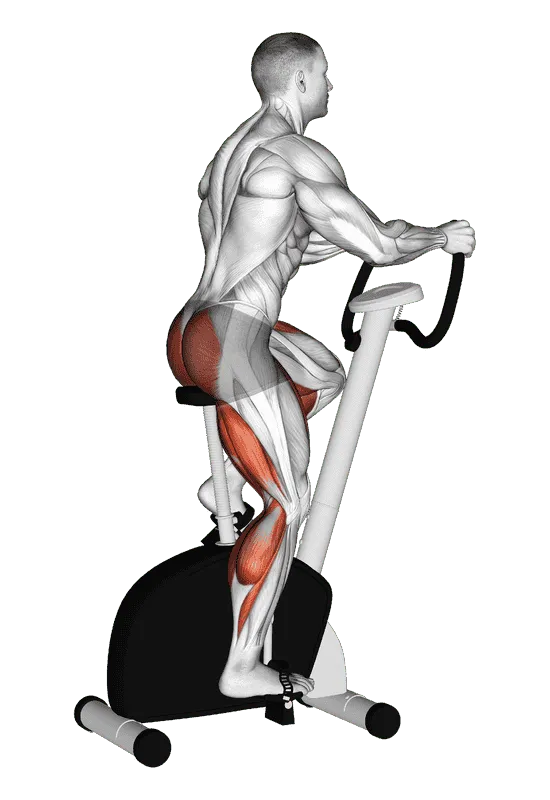
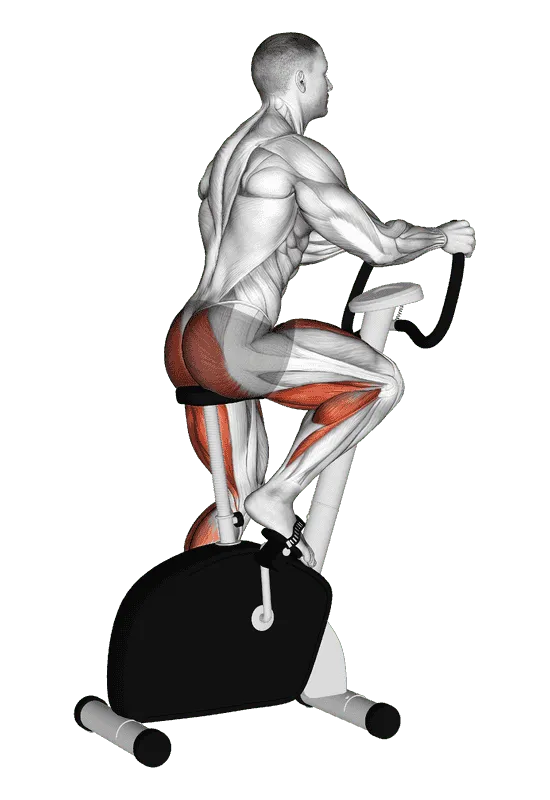
Bike intervals, about 25 minutes:
- Duration
- 25 min
Rowing intervals, about 24 minutes:

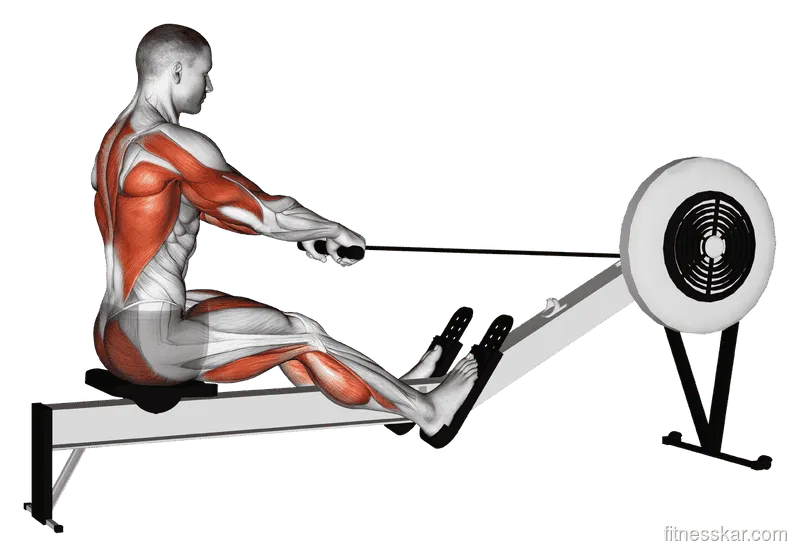
- Duration
- 24 min
Home interval circuit (about 20 minutes)
-
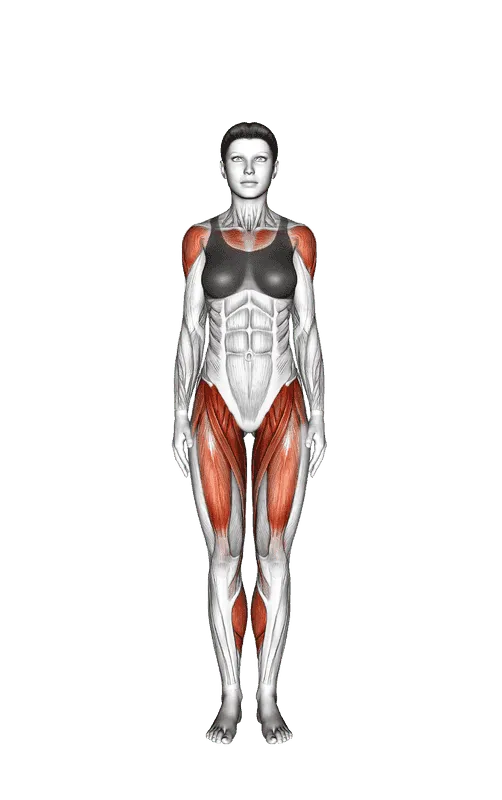
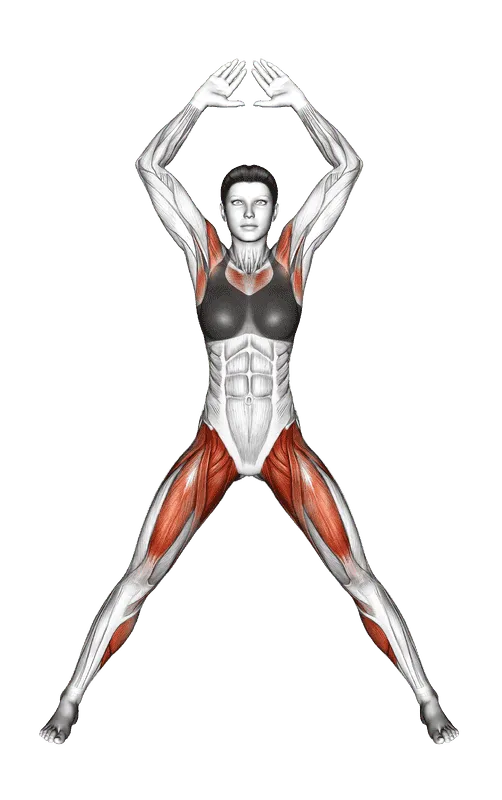
1 Jumping Jack - Duration
- 3 min
-
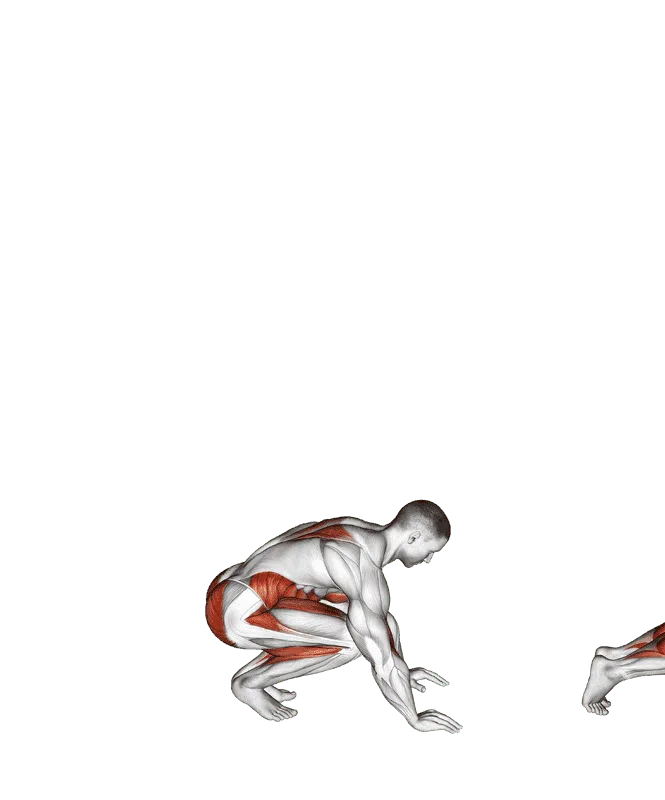
2 Burpee - Duration
- 20 s
-
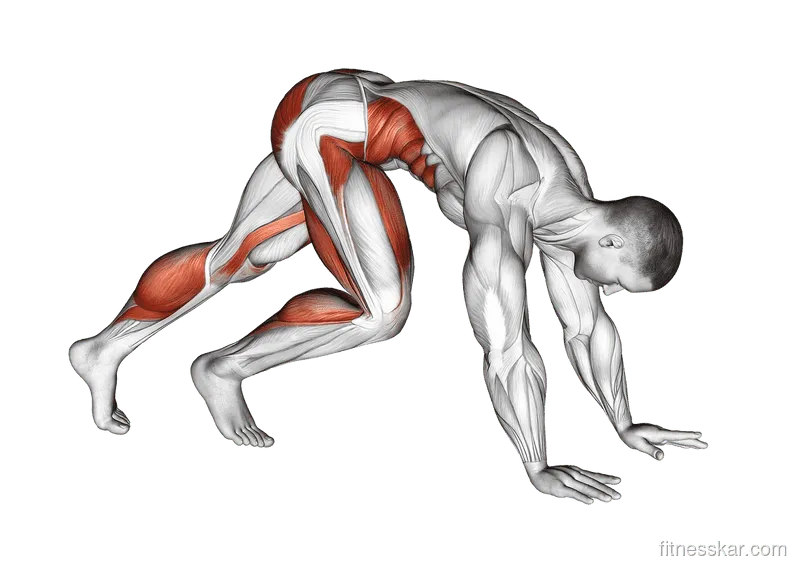
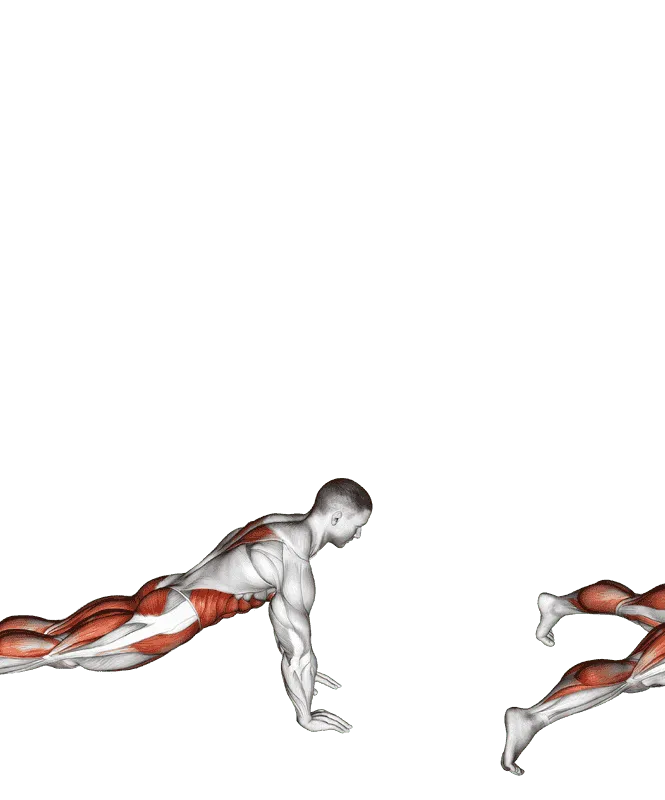
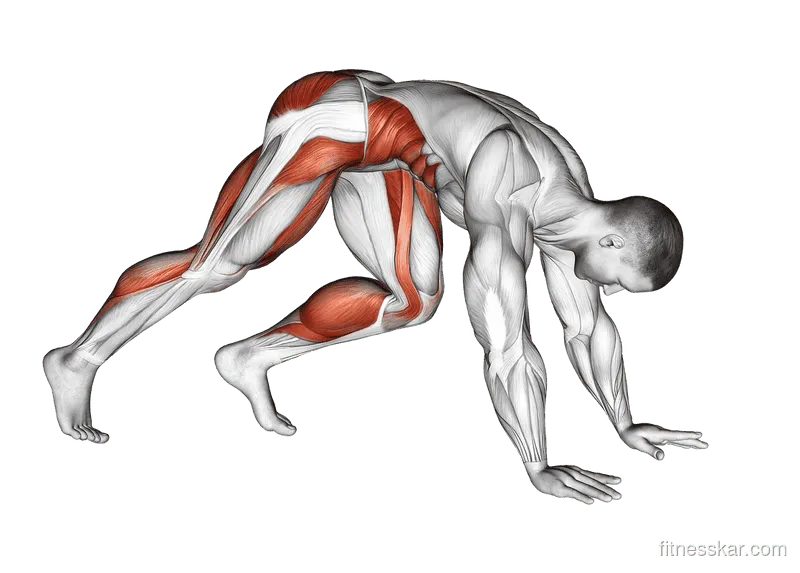
3 Mountain Climber - Duration
- 20 s
-
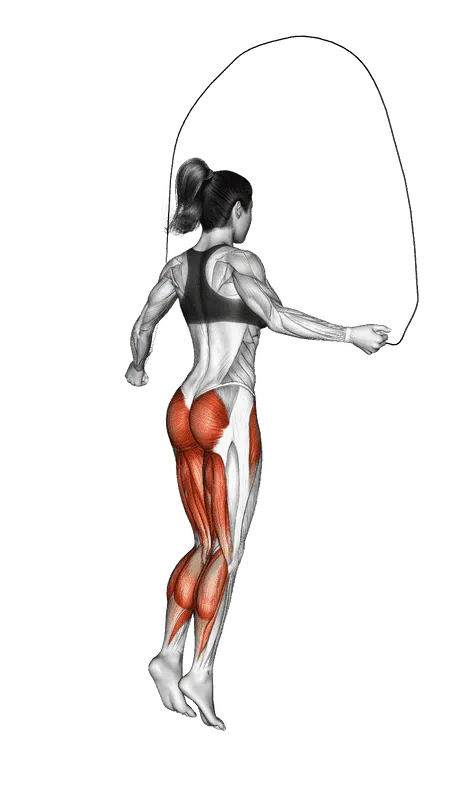
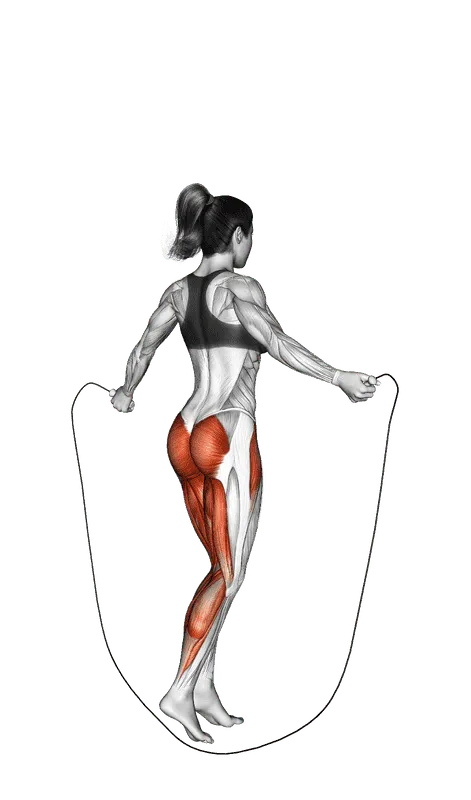
4 Jump Rope - Duration
- 20 s
-
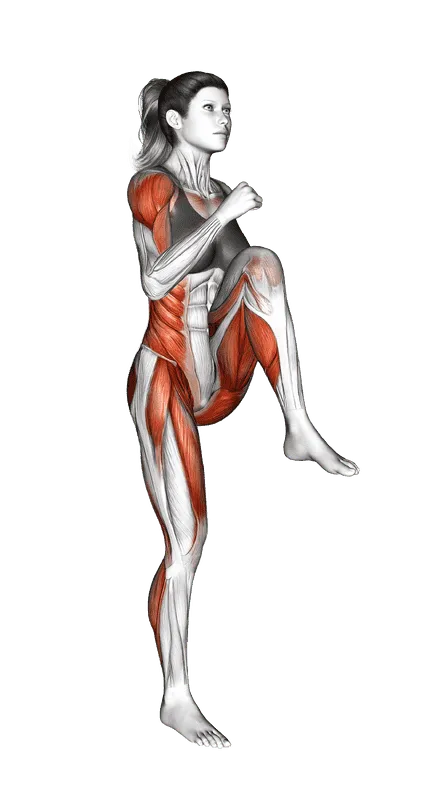
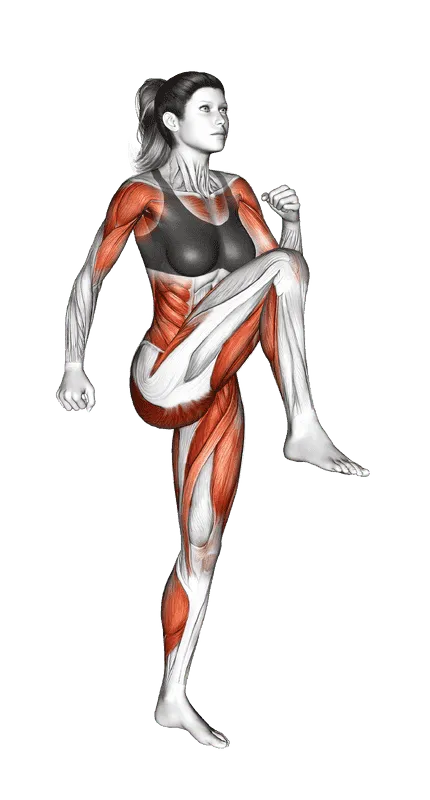
5 High Knees - Duration
- 20 s
Steady-state sessions (one to three a week)
Steady-state options (30–45 minutes)
-
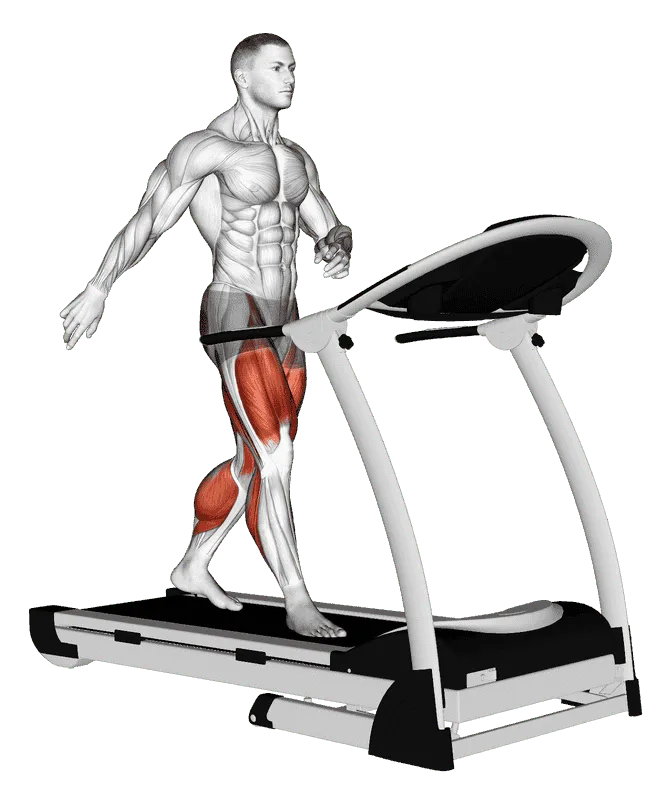
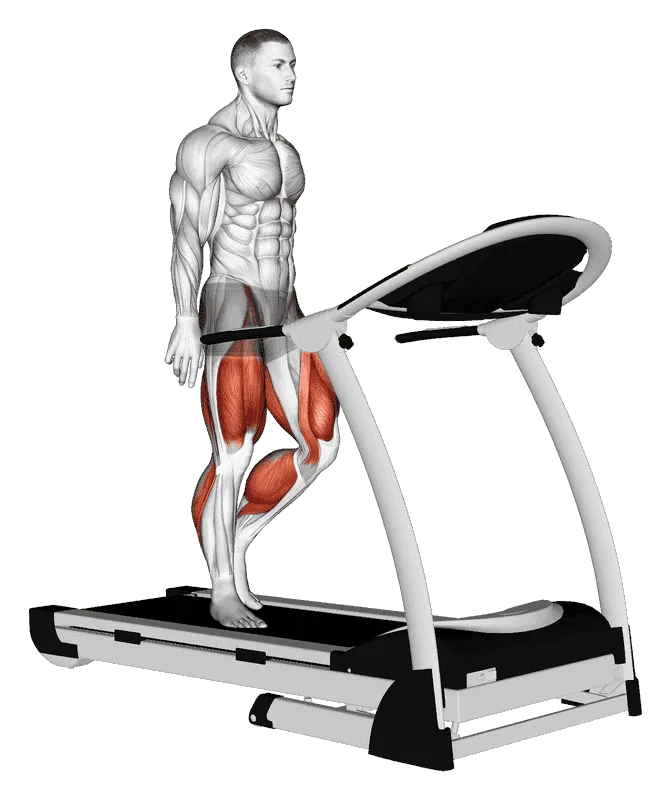
1 Walking on Treadmill - Duration
- 30–45 min
-
2 Stationary Bike - Duration
- 30–45 min
-
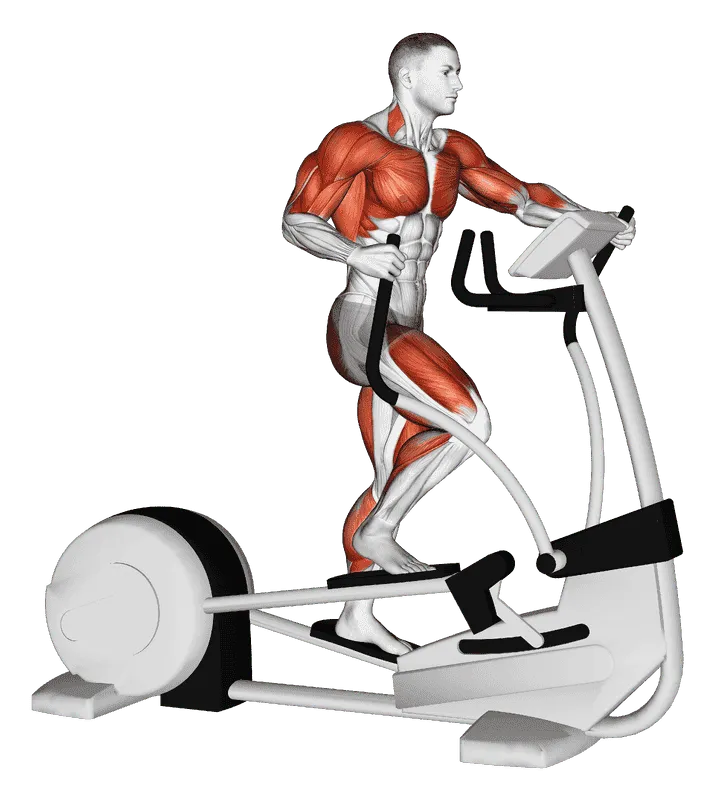
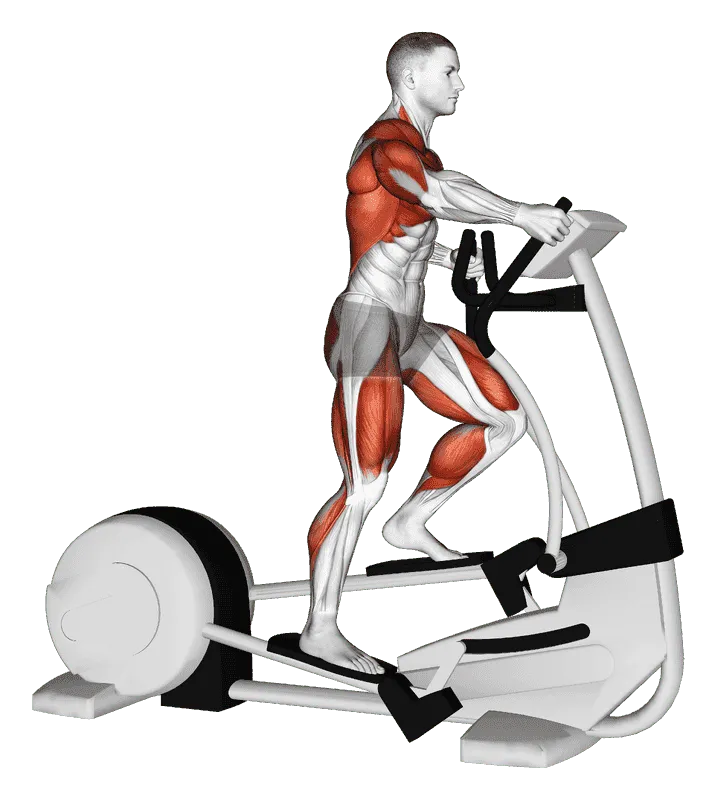
3 Elliptical Cross Trainer - Duration
- 30–45 min
-
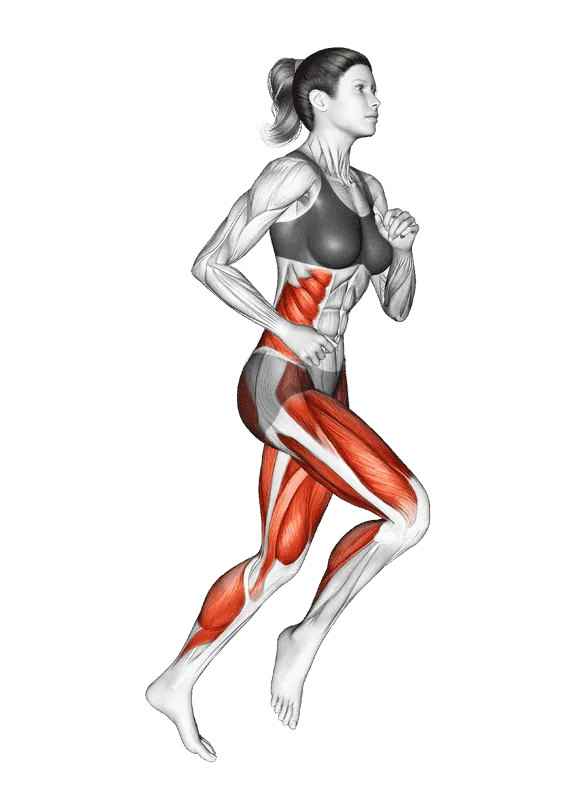
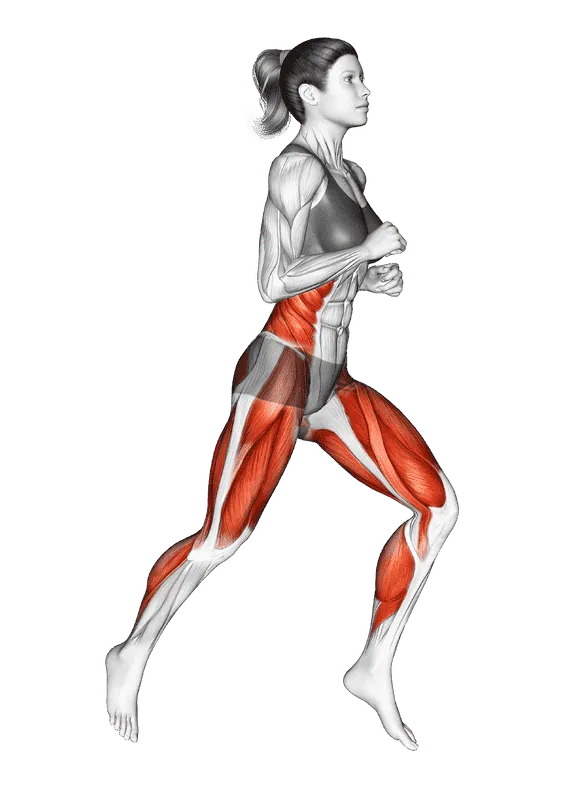
4 Running - Duration
- 20–40 min
Which should you choose?
| Steady-state | HIIT | |
|---|---|---|
| Fat loss (same diet) | Similar | Similar |
| Time per session | 30–60 minutes | 10–30 minutes |
| Fitness gains per minute | Moderate | High |
| Recovery cost | Low | Higher |
| Good for beginners | Yes | After a few weeks of base training |
- Choose steady-state if you're new to exercise, carrying a lot of weight, coming back from an injury, or lifting hard several days a week.
- Choose HIIT if you are short on time, already have a base of fitness and enjoy hard efforts.
- Better still, mix them: one interval session, one or two steady sessions and daily walks. That is the structure we use in the best workout plan for fat loss. For how cardio fits with lifting, see cardio vs. weights for fat loss.
Frequently asked questions
Does HIIT burn more belly fat than steady-state cardio?
Not in the pooled trials. HIIT and steady-state cardio reduced waist circumference by similar amounts. Belly fat comes off as part of your overall fat loss.
How many HIIT sessions a week should I do?
For most people who also lift, one or two. More adds fatigue and interference without better fat loss.
Is walking enough cardio for fat loss?
It can be. Steady-state cardio matched intervals for fat loss in the meta-analyses, and brisk walking is the easiest kind to recover from. Pair it with a calorie deficit.
Should I do intervals before or after lifting weights?
After, or better, on a different day. Hard intervals before lifting leave your legs tired for your heavy sets.
Sources
- Wewege M, van den Berg R, Ward RE, Keech A. The effects of high-intensity interval training vs. moderate-intensity continuous training on body composition in overweight and obese adults: a systematic review and meta-analysis. Obesity Reviews. 2017. pubmed.ncbi.nlm.nih.gov/28401638/ ↩
- Keating SE, Johnson NA, Mielke GI, Coombes JS. A systematic review and meta-analysis of interval training versus moderate-intensity continuous training on body adiposity. Obesity Reviews. 2017. pubmed.ncbi.nlm.nih.gov/28513103/ ↩
- LaForgia J, Withers RT, Gore CJ. Effects of exercise intensity and duration on the excess post-exercise oxygen consumption. Journal of Sports Sciences. 2006. pubmed.ncbi.nlm.nih.gov/17101527/ ↩
- Gillen JB, Martin BJ, MacInnis MJ, et al. Twelve weeks of sprint interval training improves indices of cardiometabolic health similar to traditional endurance training despite a five-fold lower exercise volume and time commitment. PLoS One. 2016. pubmed.ncbi.nlm.nih.gov/27115137/ ↩
- Wilson JM, Marin PJ, Rhea MR, et al. Concurrent training: a meta-analysis examining interference of aerobic and resistance exercises. Journal of Strength and Conditioning Research. 2012. pubmed.ncbi.nlm.nih.gov/22002517/ ↩
- Riebe D, Franklin BA, Thompson PD, et al. Updating ACSM's recommendations for exercise preparticipation health screening. Medicine & Science in Sports & Exercise. 2015. pubmed.ncbi.nlm.nih.gov/26473759/ ↩